

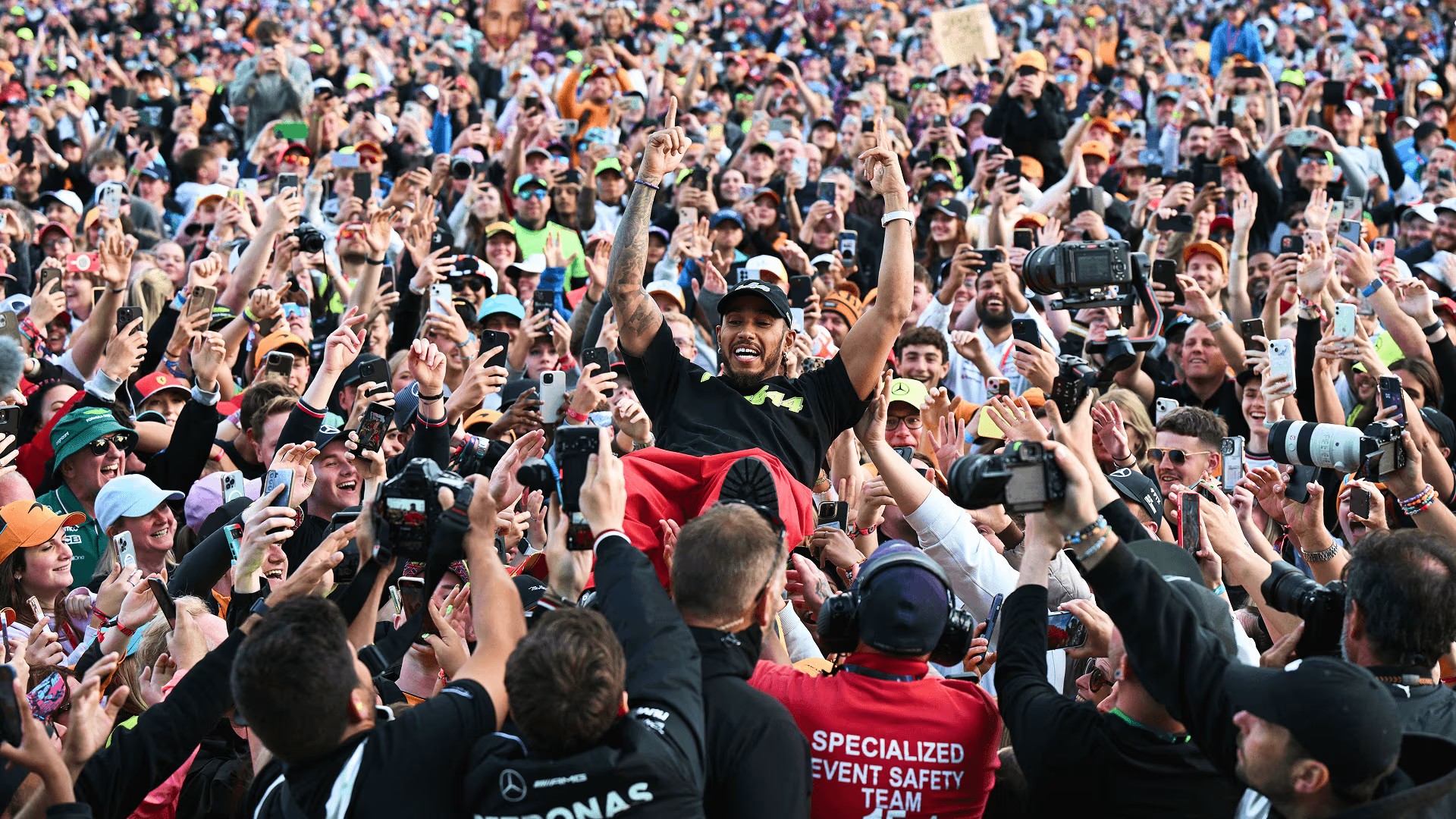
The 2026 British Grand Prix will be remembered as the day Silverstone reminded the world why it remains the spiritual home of Formula One. A record crowd of 162,000 spectators packed the Northamptonshire circuit over the race weekend, braving the traditional British weather — a mixture of drizzle, cloud and sudden, glorious sunshine — to witness a contest that delivered drama, strategy and, most memorably, a home driver on the podium.
Advertisement
The race itself was a masterclass in modern Formula One. The new 2026 regulations, which introduced a greater emphasis on electrical power and sustainable fuels, had produced a more competitive field than in recent years, and the Silverstone circuit, with its high-speed corners and long straights, showcased the new cars to spectacular effect. The lead changed hands four times during the 52 laps, and the final ten laps were contested under a safety car period that bunched the field and set up a thrilling restart.
The home crowd’s hero was the British driver who crossed the line in third place, securing his first podium of the season and triggering a eruption of noise that registered, only half-jokingly, on the seismographs installed by a nearby geological survey station. The driver, visibly emotional on the podium, dedicated the result to the fans. “You lot are the reason I do this,” he said, his voice cracking slightly over the team radio. “Every time I came through Maggotts and Becketts and heard that roar, I found another tenth. Thank you.”
The weekend was not without its controversies, as Formula One weekends rarely are. A contentious stewards’ decision on Saturday, which penalised a leading driver for a minor track-limits infringement during qualifying, generated the customary social media storm and provided the paddock’s media contingent with ample material for their columns. But the race itself was clean, hard-fought and, crucially, decided on merit rather than administrative fiat.
The economic impact of the event on the local and national economy is substantial. The organisers estimate that the race weekend generated approximately £150 million in direct spending, with hotels, restaurants, pubs and transport providers in Northamptonshire, Buckinghamshire and the wider Midlands region benefiting from the influx of visitors. The circuit itself employs several hundred permanent staff and thousands of seasonal workers during the race week, providing a significant boost to the local labour market.
The political dimension of the Grand Prix was not lost on observers. The Prime Minister, a self-confessed motorsport enthusiast, attended the race on Sunday and was photographed in the paddock engaging with team principals and drivers. Downing Street confirmed that the government was in discussions with Formula One’s commercial rights holder about the future of the British Grand Prix beyond the current contract, which expires in 2029. The message from the government was clear: Britain wants to keep its race, and it is prepared to invest in the infrastructure and regulatory environment to make that happen.