
Home Politics
Category:

Politics

Advertisement

The Electoral Commission has confirmed that the next United Kingdom general election must be held no later than August 2029, setting the outer boundary for a parliamentary term that, while still in its early stages, has already begun to shape the strategic calculations of every major political party.

The confirmation, issued in response to a routine parliamentary question, is a matter of constitutional arithmetic rather than political surprise. Under the Dissolution and Calling of Parliament Act 2022, which restored the prerogative power to dissolve Parliament to the monarch on the advice of the Prime Minister, a Parliament automatically dissolves five years after its first meeting unless dissolved earlier. The current Parliament first sat in the autumn of 2024, placing the absolute deadline for the next election in the late summer of 2029.

In practice, the timing will be determined by the Prime Minister, who retains the discretion to call an election at any point before the five-year limit. The conventional wisdom in Westminster is that Andy Burnham, buoyed by the early momentum of his premiership and the positive economic data flowing through, will be tempted to seek a personal mandate sooner rather than later. An election in 2027 or 2028 would allow him to capitalise on the goodwill of the transition period while the Opposition is still in the process of rebuilding its organisational infrastructure.

The Opposition, for its part, has shown no eagerness for an early contest. The party’s internal reviews, commissioned in the wake of the leadership transition, have identified significant weaknesses in constituency-level organisation, digital campaigning and policy development. Senior figures have indicated privately that a full term in opposition, used constructively, would leave the party in a far stronger position to contest an election in 2029 than to face one in 2027.

The Electoral Commission’s statement also addressed several administrative matters. The boundary review conducted by the independent Boundary Commissions, which redrew constituency lines ahead of the 2024 election, will not be revisited before the next contest. The Commission confirmed that voter registration procedures remained unchanged and that preparations for the introduction of digital voter identification, piloted in several local authorities, were proceeding on schedule.

The confirmation of the election timeline has prompted a flurry of activity among political strategists. Polling firms have begun commissioning longitudinal tracking surveys, and the major parties have initiated internal reviews of their target seat lists. The constituencies that will determine the next election — the marginal seats in the Midlands, the commuter belt and the Scottish Lowlands — are already being mapped, modelled and subjected to the granular demographic analysis that characterises modern campaigning.

Pages: 1 2

Advertisement

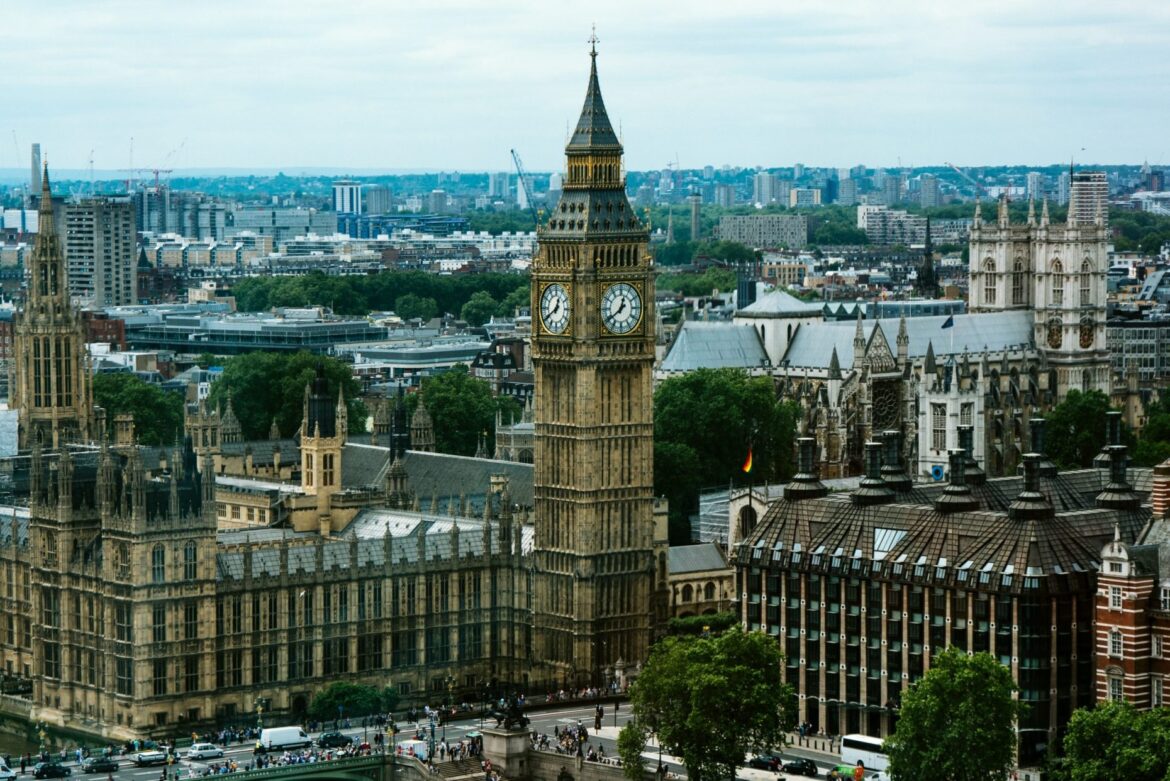
In an era of entrenched partisan division, the House of Commons found a rare area of agreement on Wednesday, as MPs from across the political spectrum rose to welcome the government’s confirmation that the life sciences sector plan had attracted £3 billion in investment a full year ahead of its target. The debate, held in Westminster Hall rather than the main chamber, was notable less for its content than for its tone: constructive, informed and, for long stretches, genuinely collegial.

The Minister for Science, opening the discussion, laid out the details of the investment milestone, emphasising the geographic spread of the funding and the number of jobs created. But it was the contributions from backbenchers on both sides that gave the debate its distinctive character. The Conservative MP for Cambridge South, a former university lecturer in molecular biology, described the investment as “a down payment on Britain’s scientific future” and urged the government to resist the temptation to treat the milestone as a destination rather than a waypoint.

“Three billion pounds is a remarkable achievement,” the MP said. “But the United States invests more than that in biomedical research every quarter. China is building laboratories at a pace that would make our Victorian railway engineers blush. If we are to compete, and we must compete, then we need not just a one-off injection but a sustained, predictable, cross-parliamentary commitment to science funding.”

The point was echoed by the SNP spokesperson for innovation, who noted that Scotland’s universities and research institutes had benefited significantly from the sector plan but warned that the funding settlement beyond 2028 remained uncertain. “Researchers plan in decades, not in spending review cycles,” the SNP MP argued. “A postdoctoral student starting a five-year project today needs to know that the funding will still be there when they finish. That requires a commitment that transcends any single government.”

The Labour backbenches were equally vocal in their support, though several MPs used the opportunity to press for greater attention to applied research and commercialisation. The member for Manchester Central, a former engineer, argued that Britain’s historical weakness lay not in discovery but in translation. “We win Nobel Prizes and then watch the companies built on those discoveries move to Boston or San Diego,” the MP said. “The sector plan addresses that, but only if we maintain the pressure. Only if we build the manufacturing capacity, the regulatory agility and the patient capital to see ideas through to market.”

Pages: 1 2

Advertisement

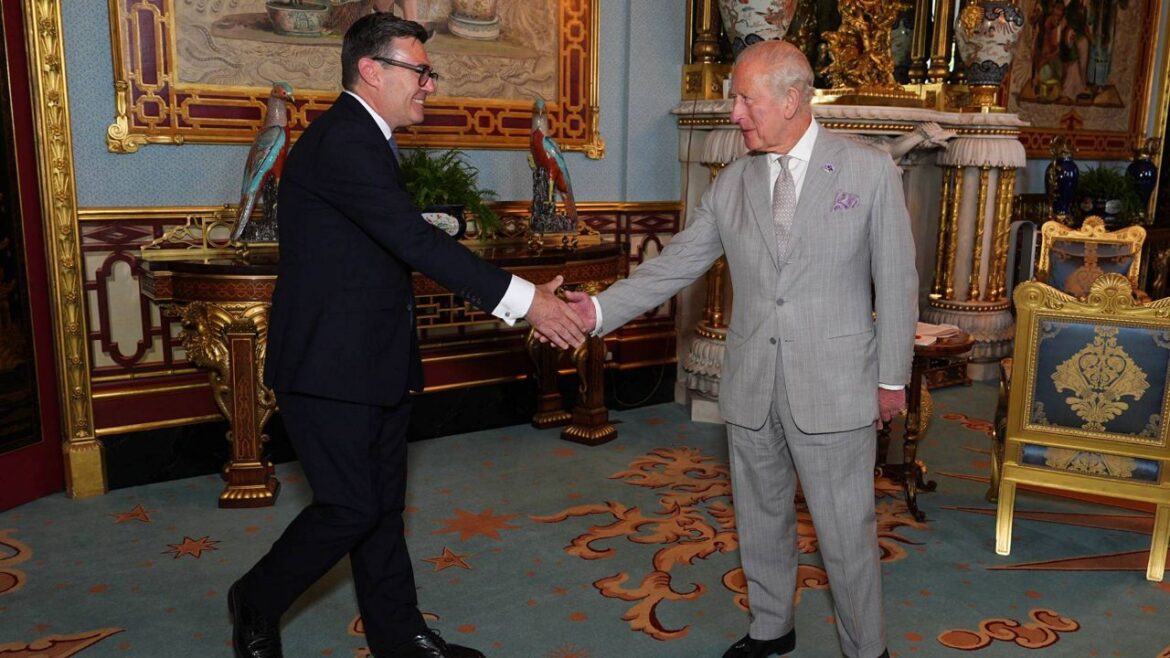
The constitutional machinery of the United Kingdom, ancient and occasionally creaky, performed one of its most essential functions with characteristic understatement on a grey Tuesday morning in early summer. King Charles III, in a brief audience at Buckingham Palace, formally invited Andy Burnham to form a government, completing the transfer of executive authority from Keir Starmer in a process that, to the outside observer, appeared almost anticlimactic in its efficiency.

The audience lasted approximately twenty minutes. Burnham arrived at the Palace by car, entering through the Grand Entrance and proceeding to the 1844 Room, where the King received him. The exchange, governed by centuries of convention, followed a well-established script. The King asked whether Burnham was willing and able to form a government. Burnham confirmed that he was. The King then formally appointed him Prime Minister and First Lord of the Treasury. No oaths were sworn, no documents signed. The authority of the Crown, exercised through the personal prerogative of the monarch, was conveyed in a handshake and a few quiet words.

The smoothness of the transition was a source of quiet pride for Palace officials, who had spent weeks in discreet preparation. The King’s private secretary had been in regular contact with the Cabinet Office to ensure that all administrative arrangements were in place. The Privy Council was convened immediately after the audience to approve the formal instruments of appointment. By the time Burnham’s car departed the Palace forecourt, the machinery of government had already begun to turn under new leadership.

For Charles, the occasion carried a particular resonance. It was the first time in his reign that he had exercised the prerogative of appointing a prime minister following a change of governing party leadership rather than a general election. The distinction is constitutionally minor but symbolically significant: it underscored the monarch’s role as a neutral arbiter, above the fray of partisan politics, ensuring continuity regardless of the political weather.

Palace sources indicated that the King and the incoming Prime Minister had spoken briefly about matters of mutual interest beyond the formalities of appointment. Burnham, a lifelong supporter of the NHS and a former health minister, is understood to have discussed the King’s ongoing interest in healthcare and environmental sustainability. The conversation was described as “warm and relaxed,” with the King expressing his best wishes for the new government and his confidence in the resilience of Britain’s democratic institutions.

Pages: 1 2

Advertisement

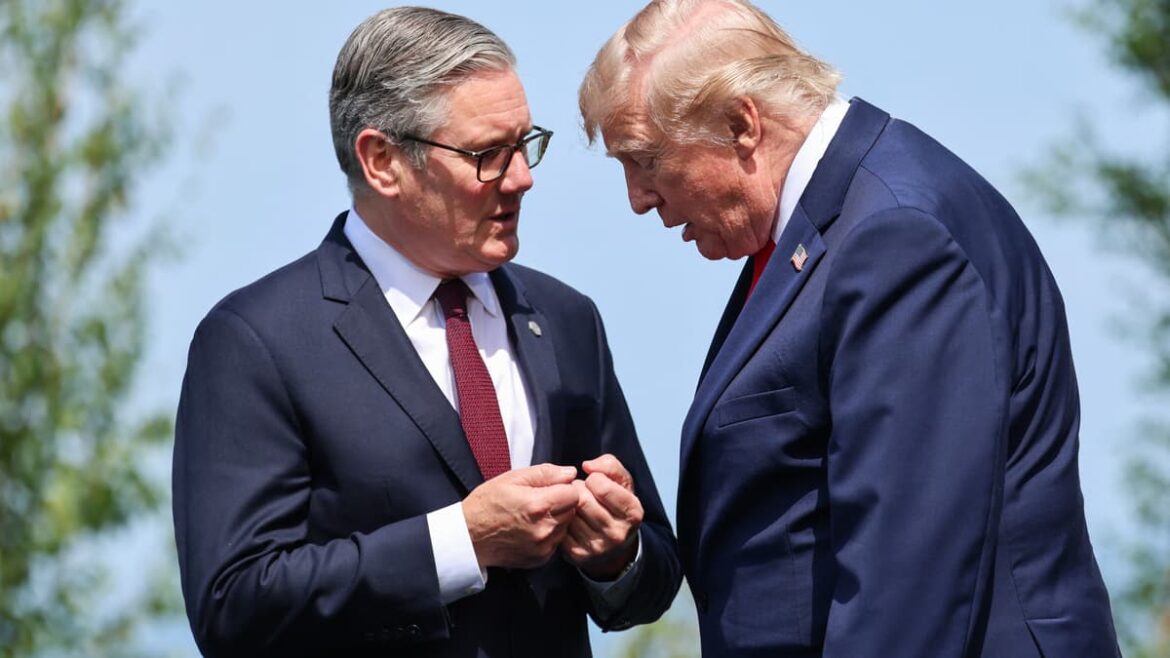
The first substantive diplomatic engagement between Prime Minister Andy Burnham and the President of the United States took place on Tuesday evening in a forty-minute telephone call that both governments characterised as warm, frank and constructive. The conversation, which covered trade, defence, the situation in the Middle East and the upcoming G7 summit, marked Burnham’s formal introduction to the most consequential bilateral relationship in British foreign policy.

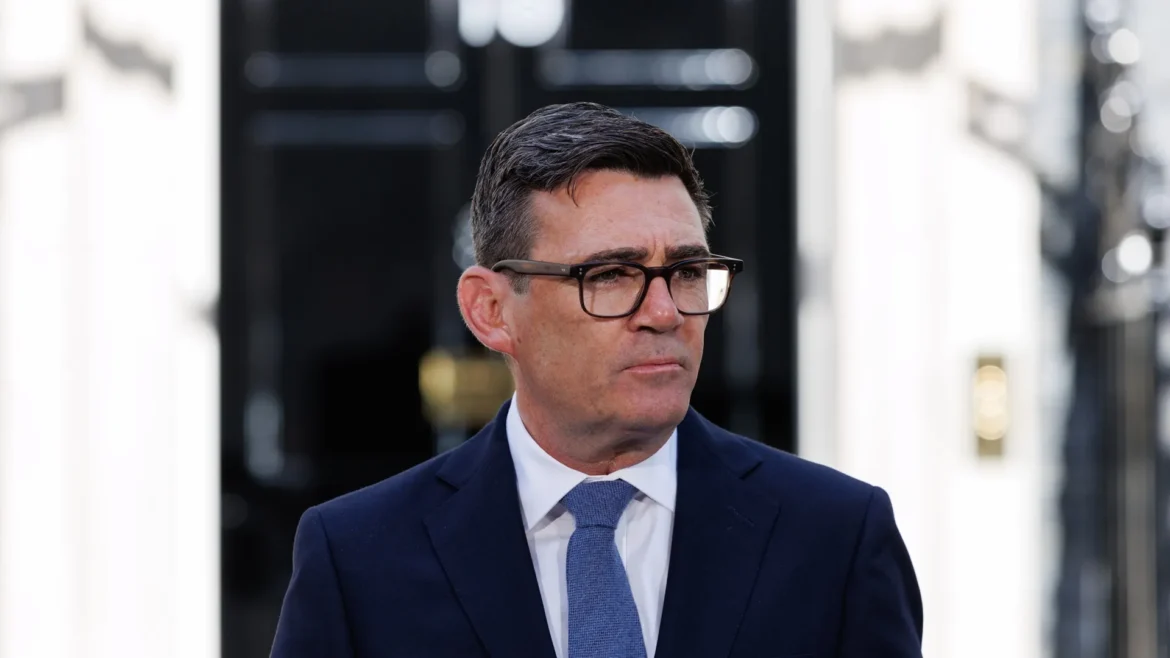
Speaking to reporters outside Downing Street the following morning, Burnham described the exchange as “good” and “businesslike,” adding that he had found the President “direct, engaged and genuinely interested in hearing the British perspective.” The Prime Minister confirmed that the two leaders had agreed to meet in person at the G7 summit in Canada later in the summer, and that a formal state visit would be arranged “in due course.”

The tone of Burnham’s remarks was notably measured, reflecting a deliberate strategy to establish a working relationship without the effusive personal diplomacy that characterised some of his predecessors’ dealings with Washington. “Britain and America are allies, friends and partners,” Burnham said. “That doesn’t mean we agree on everything. It means we talk honestly when we don’t, and we work together when we do. I made clear to the President that I will always call out positions I disagree with, just as I expect him to do with me. That’s what a mature relationship looks like.”

The phrase “call out” attracted immediate attention in the press gallery, and Burnham was pressed on whether it implied a more adversarial stance than the traditional special relationship warranted. The Prime Minister pushed back gently. “Calling out is not the same as falling out,” he said. “You can disagree with a friend and still stand shoulder to shoulder with them when it matters. I think the British public understands that distinction perfectly well.”

The substance of the call, as relayed by Downing Street, covered several areas of mutual interest. On trade, the two leaders acknowledged the progress made in reducing non-tariff barriers under the existing framework and agreed to task their respective trade ministers with exploring further liberalisation in services, digital commerce and agricultural products. On defence, Burnham reaffirmed the UK’s commitment to meeting and exceeding the NATO target of 2 per cent of GDP on defence spending, and the two leaders discussed the ongoing modernisation of the British armed forces.

Pages: 1 2

Advertisement

The journey from the terraced streets of Leigh, in the heart of the Wigan borough, to the black door of 10 Downing Street is not one that follows a conventional political script. Andy Burnham’s path has wound through the corridors of New Labour, the backbenches of opposition, the cabinet rooms of Gordon Brown’s government, and, most formatively, eight years as the directly elected Mayor of Greater Manchester. It is that final chapter, more than any other, that now shapes his approach to governing the United Kingdom.

Burnham was asked to form a government by King Charles III in a ceremony at Buckingham Palace that was, by all accounts, brief and cordial. The constitutional handover from Keir Starmer was smooth, reflecting the conventions of a parliamentary system that, for all its quirks and anachronisms, still manages transitions of power with a quiet efficiency that many newer democracies envy. Within hours, Burnham had appointed his cabinet, a blend of experienced frontbenchers and regional mayors elevated to ministerial rank, signalling his intention to govern not from Westminster alone but from the towns and cities that elected him.

The theme of his first week in office was decentralisation. In a speech delivered not in London but in Leeds, Burnham outlined a vision of governance in which the regions of England would have significantly greater control over transport, housing, skills and economic development budgets. The model is explicitly drawn from his time in Manchester, where the combined authority has wielded devolved powers over bus franchising, adult education and strategic planning since 2017.

“What worked in Greater Manchester can work in the West Midlands, in the North East, in Yorkshire, in the South West,” Burnham told an audience of local leaders, business representatives and community organisers. “The people who know what their area needs are the people who live there. Westminster’s job is to resource them and then get out of the way.”

The proposal has been met with enthusiasm by the existing metro mayors, several of whom have been appointed to advisory roles within the new government. The Mayor of the West Midlands described the moment as “the biggest shift in English governance since the creation of the county councils in the nineteenth century.” The Mayor of Liverpool City Region echoed the sentiment, noting that Burnham’s personal experience of devolution gave him a credibility that no previous prime minister could match.

Pages: 1 2

Advertisement

logo-white

Magnum News
[email protected]

+447876684692

Disclaimer

The content published on this website is provided for general informational purposes only. While we strive to deliver accurate and up-to-date information, we make no representations or warranties of any kind, express or implied, about the completeness, accuracy, reliability, or availability of the articles, opinions, or other materials contained on this website. Any reliance you place on such information is strictly at your own risk. Nothing on this website constitutes professional, medical, legal, financial, or investment advice. Always consult a qualified professional before making decisions based on information found here.

Editors' Picks

Latest Posts