
Home Sport
Category:

Sport

Advertisement

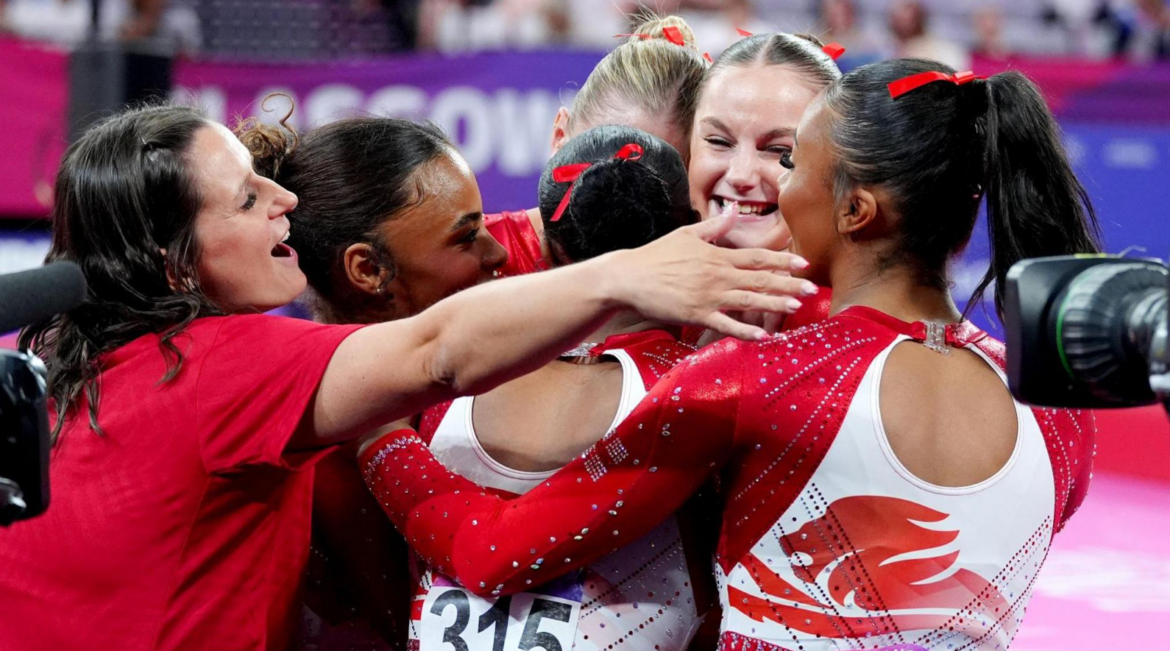
Team England has unveiled its largest-ever squad for the 2026 Commonwealth Games, naming more than 500 athletes across 20 sporting disciplines in a selection that reflects both the depth of English sporting talent and the strategic ambition of the organisations responsible for high-performance sport. The squad, announced at a ceremony at the National Basketball Performance Centre in Manchester, includes a mixture of established stars, emerging prospects and, in several cases, athletes making their first appearance at a major multi-sport event.

The Commonwealth Games, held every four years and contested by athletes from the 56 member nations of the Commonwealth, occupy a distinctive position in the sporting calendar. They are not the Olympics, with their global scale and commercial enormity. They are not the World Championships of individual sports, with their singular focus. They are something more intimate, more familial, more rooted in the shared history and mutual recognition of nations bound by language, law and, in many cases, a complicated colonial past. For English athletes, they represent an opportunity to compete for their country in a context that is competitive without being overwhelming, prestigious without being crushing.

The squad spans the full range of Commonwealth sports, from the traditional core of athletics, swimming, cycling and boxing to the newer additions of cricket, basketball, 3×3 basketball and para-sport disciplines. The inclusion of para-sport events within the main programme, rather than as a separate competition, is a relatively recent development and one that the English team has embraced wholeheartedly. More than 60 para-athletes are included in the squad, competing in events ranging from wheelchair basketball to para-swimming to para-athletics.

The selection process, coordinated by the British Olympic Association in partnership with the individual national governing bodies, has been underway for several months. Athletes were assessed against published qualification standards, with additional discretion granted to selectors in cases where injury, illness or exceptional circumstances affected an athlete’s ability to meet the criteria. The result is a squad that is both meritocratic and pragmatic, rewarding consistent performance while allowing for the human variables that inevitably affect sporting careers.

The political context of the Games is, as always, present but muted. The Commonwealth itself is an institution in perpetual negotiation with its own history, and the Games are one of the few arenas in which that history is expressed through competition rather than diplomacy. The English team, as the representative of the largest and wealthiest Commonwealth nation, carries a particular responsibility to engage with the Games in a spirit of respect and reciprocity. The team’s chef de mission, a former Olympic medallist, emphasised this point in her remarks at the announcement ceremony. “We go not just to win medals, though we intend to win medals,” she said. “We go to compete, to celebrate, and to honour the spirit of the Commonwealth. That means treating every athlete, from every nation, with the respect they deserve.”

The funding model for Team England’s preparation is a combination of public investment, National Lottery funding and private sponsorship. UK Sport, the government agency responsible for distributing high-performance funding, has allocated approximately £40 million to the sports represented in the squad over the current four-year cycle. The National Lottery, through its Good Causes fund, contributes a further £25 million. Corporate sponsors, including several major British brands, provide additional support in the form of equipment, travel and training facilities.
Pages: 1 2

Advertisement

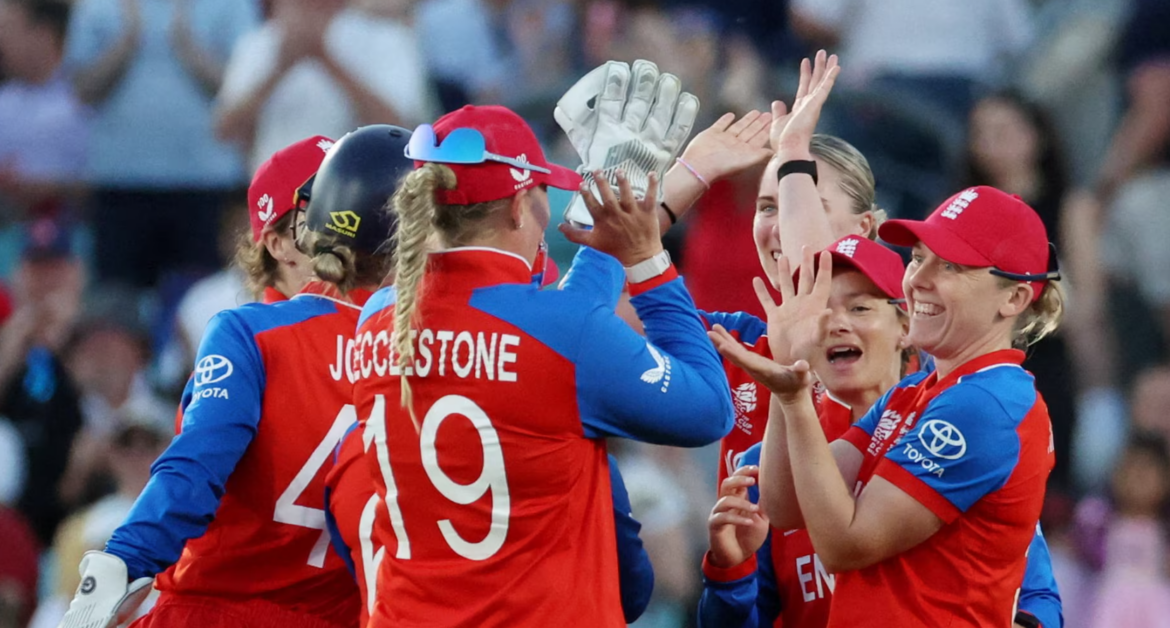
The England and Wales Cricket Board has confirmed that the final of the 2026 Women’s T20 World Cup will be played at Lord’s Cricket Ground in London, and the announcement has been met with a wave of enthusiasm that reflects both the growing stature of the women’s game and the deep emotional resonance of Lord’s as a venue. The final, scheduled for late August, will be the culmination of a tournament that has been hosted across several venues in England and Wales, and the decision to stage the showpiece at the Home of Cricket was described by the ECB as “a statement of intent for the future of women’s cricket.”

The England squad, named at a ceremony at the Kia Oval in London, was greeted with approval from commentators, fans and former players. The 15-strong group blends experience and youth, with several veterans of the 2019 and 2023 World Cup campaigns alongside a cohort of emerging talents who have impressed in the domestic Charlotte Edwards Cup and the Rachael Heyhoe Flint Trophy. The captain, who has led the side for three years and overseen a period of significant development, expressed confidence in the group’s depth and versatility.

“We have players who can win a game with the bat, with the ball, in the field,” the captain said. “We have players who have been in this situation before and players who are hungry for their first World Cup final. That combination is powerful. And we have the home crowd. That is not a small thing.”

The squad selection was not without its talking points. The omission of a senior all-rounder, who has been a mainstay of the side for several years but has struggled with form this season, generated the customary debate among fans and pundits. The selectors defended the decision, citing the need for balance and the emergence of younger players who offered greater flexibility in the T20 format. The omitted player, to her credit, issued a gracious statement wishing the squad well and expressing her pride in having represented her country.

The decision to host the final at Lord’s carries symbolic weight that extends beyond cricket. Lord’s, with its Victorian pavilion, its honours boards and its deeply ingrained traditions, has historically been a bastion of the men’s game. The first women’s match at Lord’s was played in 1976, and it was not until 2017 that the ground hosted a Women’s World Cup final. The 2026 final will be only the third time that the women’s game has taken centre stage at the ground, and the ECB has made clear that it intends the occasion to be a landmark moment in the sport’s ongoing journey toward equality.

The commercial response has been robust. Broadcast rights for the tournament have been secured by a major terrestrial channel, ensuring that the final will be available to a free-to-air audience of millions. Sponsorship revenue has exceeded initial projections, and ticket sales for the final have been strong, with the ECB anticipating a sell-out crowd of approximately 30,000. The corporate hospitality packages, once the exclusive preserve of men’s Test matches, have been in high demand, reflecting the growing commercial viability of the women’s game.

Pages: 1 2

Advertisement

The London Athletics Meet, held on a warm July evening at the Olympic Stadium in Stratford, delivered the kind of electric, noise-drenched spectacle that has made it one of the most anticipated events on the global track and field calendar. A capacity crowd of 60,000 filled the stands that once hosted the 2012 Games, and they were rewarded with a programme that combined world-class performances, dramatic finishes and the particular, partisan energy that a home crowd brings to a British athletics evening.

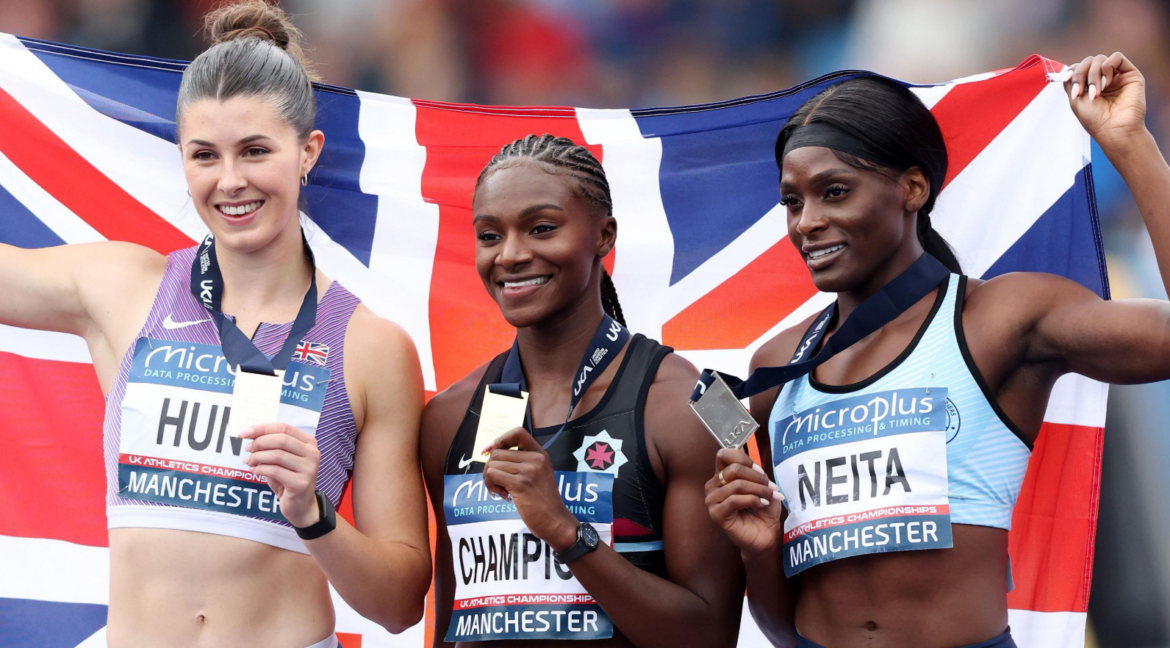
The headline event, the men’s 100 metres, lived up to its billing. The British sprinter, who has emerged over the past two seasons as one of the fastest men in Europe, produced a blistering run of 9.89 seconds to finish second behind the reigning world champion. The time, a personal best and the fastest by a British sprinter in three years, was greeted with a roar that seemed to lift the roof of the stadium. The sprinter, breathing heavily and grinning broadly, took a lap of honour draped in a Union Flag, acknowledging the crowd with the slightly bewildered expression of a man who has just run very fast in front of a great many people.

The women’s 100 metres was equally compelling. The British champion, who has been in outstanding form this season, clocked 10.82 seconds to win her race, the fastest time by a British woman since the early 2000s. Her celebration, a full-throated scream directed at the stands where her family and coaching team were seated, was one of the images of the evening. “I could hear them from the blocks,” she said afterwards. “My mum was screaming so loud I thought the starter would recall the race.”

The distance events provided a different kind of drama. The men’s 5,000 metres was a tactical, surging affair, decided in the final 200 metres by a devastating kick from the Kenyan favourite. The British entrant, running with courage and intelligence, held on for fifth place in a time that qualified him for the World Championships later in the summer. The crowd’s appreciation was warm and genuine, recognising that in distance running, a personal best in a world-class field is an achievement worthy of celebration.

The field events, often overshadowed by the track in a sprint-heavy programme, produced their own moments of brilliance. The British long jumper, competing in front of a home crowd for the first time this season, leapt 8.21 metres to win the competition and secure his place at the World Championships. The women’s high jump saw a thrilling three-way contest that was resolved only at 1.98 metres, with the British competitor clearing the bar on her third and final attempt to the delight of the stands.

Pages: 1 2

Advertisement

There is a particular sound that England produces during a World Cup. It is not the roar of a stadium, though that is part of it. It is the collective exhalation of a nation holding its breath in a thousand pubs, living rooms and garden parties, followed by the eruption — or the groan — that follows. On Saturday evening, as England took to the pitch in their second group-stage match of the 2026 FIFA World Cup, that sound reached a pitch that has not been heard since the heady, ultimately heartbreaking summer of 2018.

The match, played in a sweltering stadium in one of the tournament’s North American host cities, kicked off at 8pm British Summer Time, placing it squarely in the prime Saturday evening slot. The timing was a gift to the pubs, the broadcasters and the national mood. By 7.30pm, the streets of every town and city in England had taken on the familiar, slightly surreal quality of a World Cup evening: quiet roads, glowing windows, the distant sound of commentary drifting from open doors, and the occasional burst of noise from a garden where a barbecue was being optimistically maintained despite the fading light.

The pubs did a roaring trade. The British Beer and Pub Association estimated that Saturday’s match generated approximately £80 million in additional revenue for the hospitality sector, with many establishments reporting their busiest evening of the year. In London, the traditional fan zones in Hyde Park and Trafalgar Square were filled to capacity hours before kick-off, with giant screens broadcasting the match to crowds of tens of thousands. In smaller towns, the local pub became the de facto community centre, with landlords setting up extra screens in beer gardens and function rooms to accommodate the overflow.

The match itself was a tense, absorbing affair. England, playing in a modified formation that the manager had unveiled only days before the tournament, controlled possession for long stretches but struggled to break down a disciplined and physically imposing opposition. The first half ended goalless, and the collective anxiety of the nation was palpable in the half-time commentary, the social media posts and the nervous refilling of glasses in pubs from Penzance to Berwick.

The second half brought the release. A moment of individual brilliance from England’s talismanic forward, a curling strike from the edge of the box that arrowed into the top corner, sent the country into paroxysms of delight. The goal was celebrated with the particular, slightly disbelieving joy that English football fans reserve for moments of genuine quality. Strangers hugged in pubs. Car horns sounded on high streets. A woman in a garden in Stockport was filmed by her neighbour performing an impromptu dance of triumph that would later accumulate three million views on social media.

Pages: 1 2

Advertisement

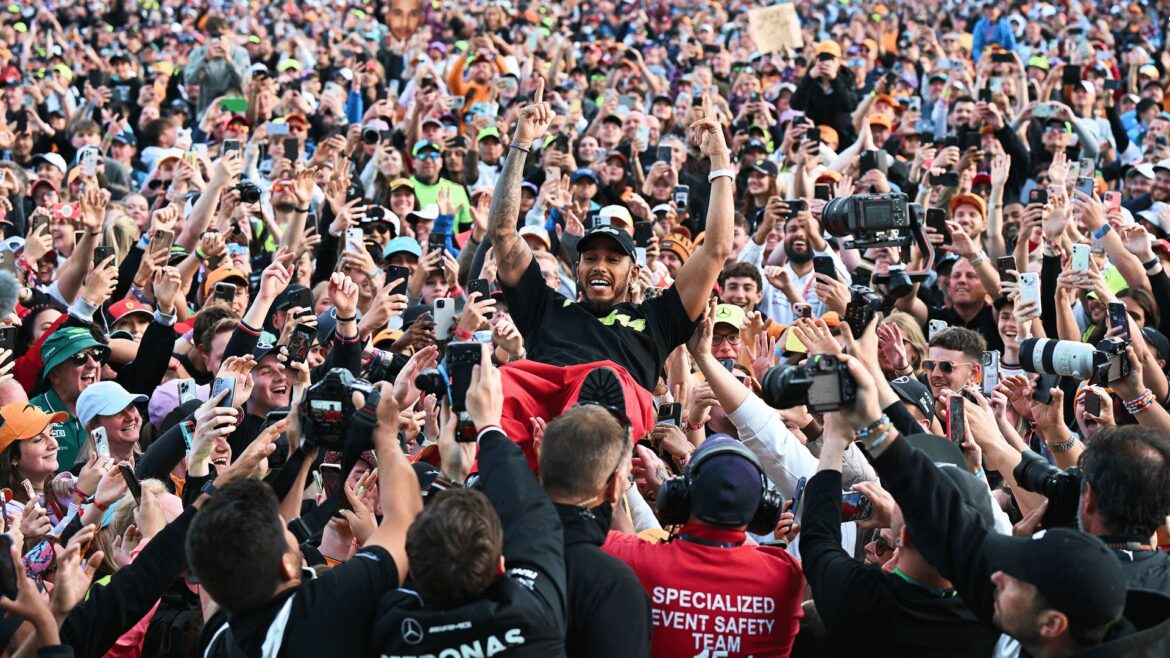
The 2026 British Grand Prix will be remembered as the day Silverstone reminded the world why it remains the spiritual home of Formula One. A record crowd of 162,000 spectators packed the Northamptonshire circuit over the race weekend, braving the traditional British weather — a mixture of drizzle, cloud and sudden, glorious sunshine — to witness a contest that delivered drama, strategy and, most memorably, a home driver on the podium.

The race itself was a masterclass in modern Formula One. The new 2026 regulations, which introduced a greater emphasis on electrical power and sustainable fuels, had produced a more competitive field than in recent years, and the Silverstone circuit, with its high-speed corners and long straights, showcased the new cars to spectacular effect. The lead changed hands four times during the 52 laps, and the final ten laps were contested under a safety car period that bunched the field and set up a thrilling restart.

The home crowd’s hero was the British driver who crossed the line in third place, securing his first podium of the season and triggering a eruption of noise that registered, only half-jokingly, on the seismographs installed by a nearby geological survey station. The driver, visibly emotional on the podium, dedicated the result to the fans. “You lot are the reason I do this,” he said, his voice cracking slightly over the team radio. “Every time I came through Maggotts and Becketts and heard that roar, I found another tenth. Thank you.”

The weekend was not without its controversies, as Formula One weekends rarely are. A contentious stewards’ decision on Saturday, which penalised a leading driver for a minor track-limits infringement during qualifying, generated the customary social media storm and provided the paddock’s media contingent with ample material for their columns. But the race itself was clean, hard-fought and, crucially, decided on merit rather than administrative fiat.

The economic impact of the event on the local and national economy is substantial. The organisers estimate that the race weekend generated approximately £150 million in direct spending, with hotels, restaurants, pubs and transport providers in Northamptonshire, Buckinghamshire and the wider Midlands region benefiting from the influx of visitors. The circuit itself employs several hundred permanent staff and thousands of seasonal workers during the race week, providing a significant boost to the local labour market.

The political dimension of the Grand Prix was not lost on observers. The Prime Minister, a self-confessed motorsport enthusiast, attended the race on Sunday and was photographed in the paddock engaging with team principals and drivers. Downing Street confirmed that the government was in discussions with Formula One’s commercial rights holder about the future of the British Grand Prix beyond the current contract, which expires in 2029. The message from the government was clear: Britain wants to keep its race, and it is prepared to invest in the infrastructure and regulatory environment to make that happen.

Pages: 1 2

Advertisement

logo-white

Magnum News
[email protected]

+447876684692

Disclaimer

The content published on this website is provided for general informational purposes only. While we strive to deliver accurate and up-to-date information, we make no representations or warranties of any kind, express or implied, about the completeness, accuracy, reliability, or availability of the articles, opinions, or other materials contained on this website. Any reliance you place on such information is strictly at your own risk. Nothing on this website constitutes professional, medical, legal, financial, or investment advice. Always consult a qualified professional before making decisions based on information found here.

Editors' Picks

Latest Posts