

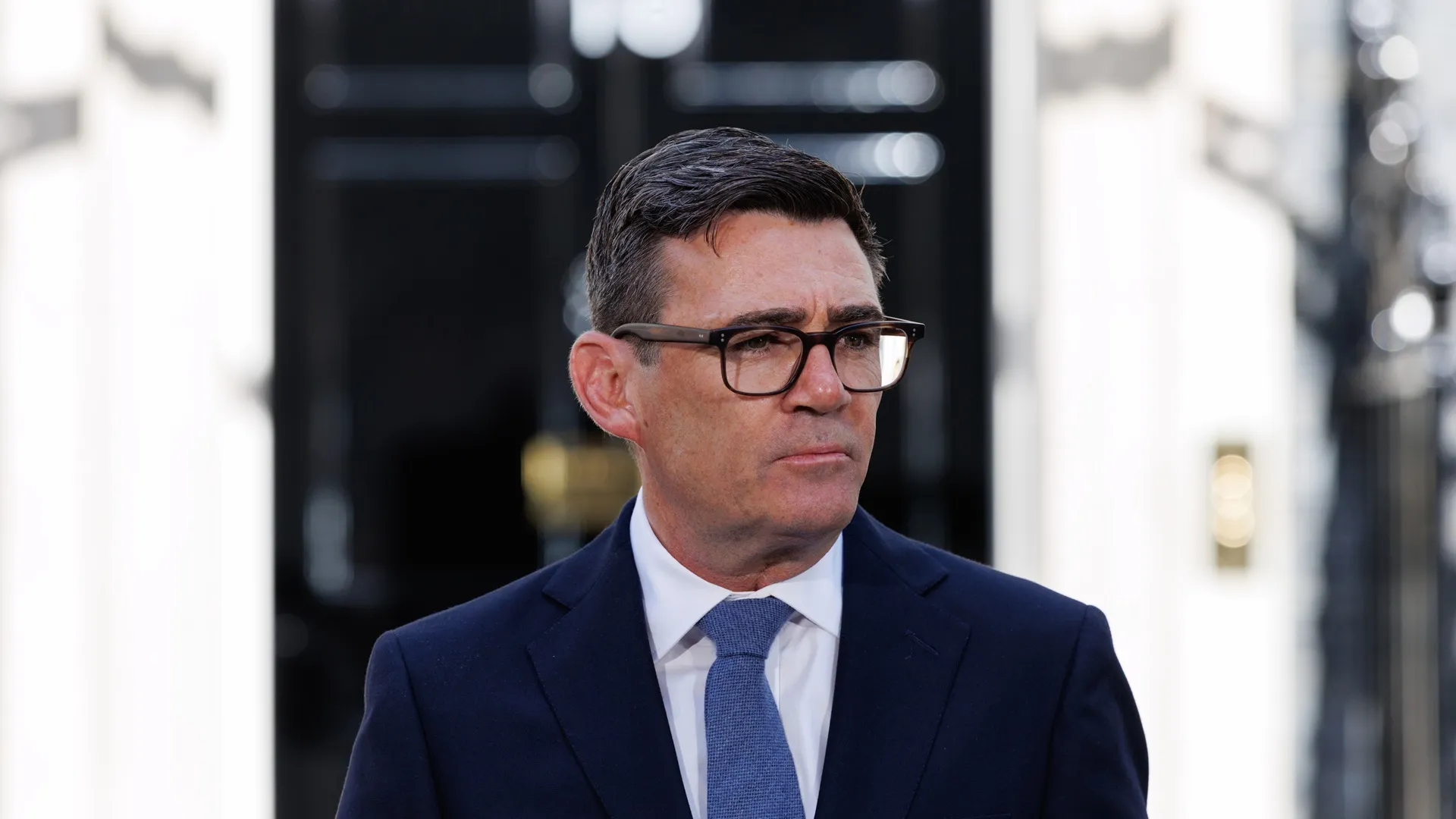
The journey from the terraced streets of Leigh, in the heart of the Wigan borough, to the black door of 10 Downing Street is not one that follows a conventional political script. Andy Burnham’s path has wound through the corridors of New Labour, the backbenches of opposition, the cabinet rooms of Gordon Brown’s government, and, most formatively, eight years as the directly elected Mayor of Greater Manchester. It is that final chapter, more than any other, that now shapes his approach to governing the United Kingdom.
Advertisement
Burnham was asked to form a government by King Charles III in a ceremony at Buckingham Palace that was, by all accounts, brief and cordial. The constitutional handover from Keir Starmer was smooth, reflecting the conventions of a parliamentary system that, for all its quirks and anachronisms, still manages transitions of power with a quiet efficiency that many newer democracies envy. Within hours, Burnham had appointed his cabinet, a blend of experienced frontbenchers and regional mayors elevated to ministerial rank, signalling his intention to govern not from Westminster alone but from the towns and cities that elected him.
The theme of his first week in office was decentralisation. In a speech delivered not in London but in Leeds, Burnham outlined a vision of governance in which the regions of England would have significantly greater control over transport, housing, skills and economic development budgets. The model is explicitly drawn from his time in Manchester, where the combined authority has wielded devolved powers over bus franchising, adult education and strategic planning since 2017.
“What worked in Greater Manchester can work in the West Midlands, in the North East, in Yorkshire, in the South West,” Burnham told an audience of local leaders, business representatives and community organisers. “The people who know what their area needs are the people who live there. Westminster’s job is to resource them and then get out of the way.”
The proposal has been met with enthusiasm by the existing metro mayors, several of whom have been appointed to advisory roles within the new government. The Mayor of the West Midlands described the moment as “the biggest shift in English governance since the creation of the county councils in the nineteenth century.” The Mayor of Liverpool City Region echoed the sentiment, noting that Burnham’s personal experience of devolution gave him a credibility that no previous prime minister could match.