

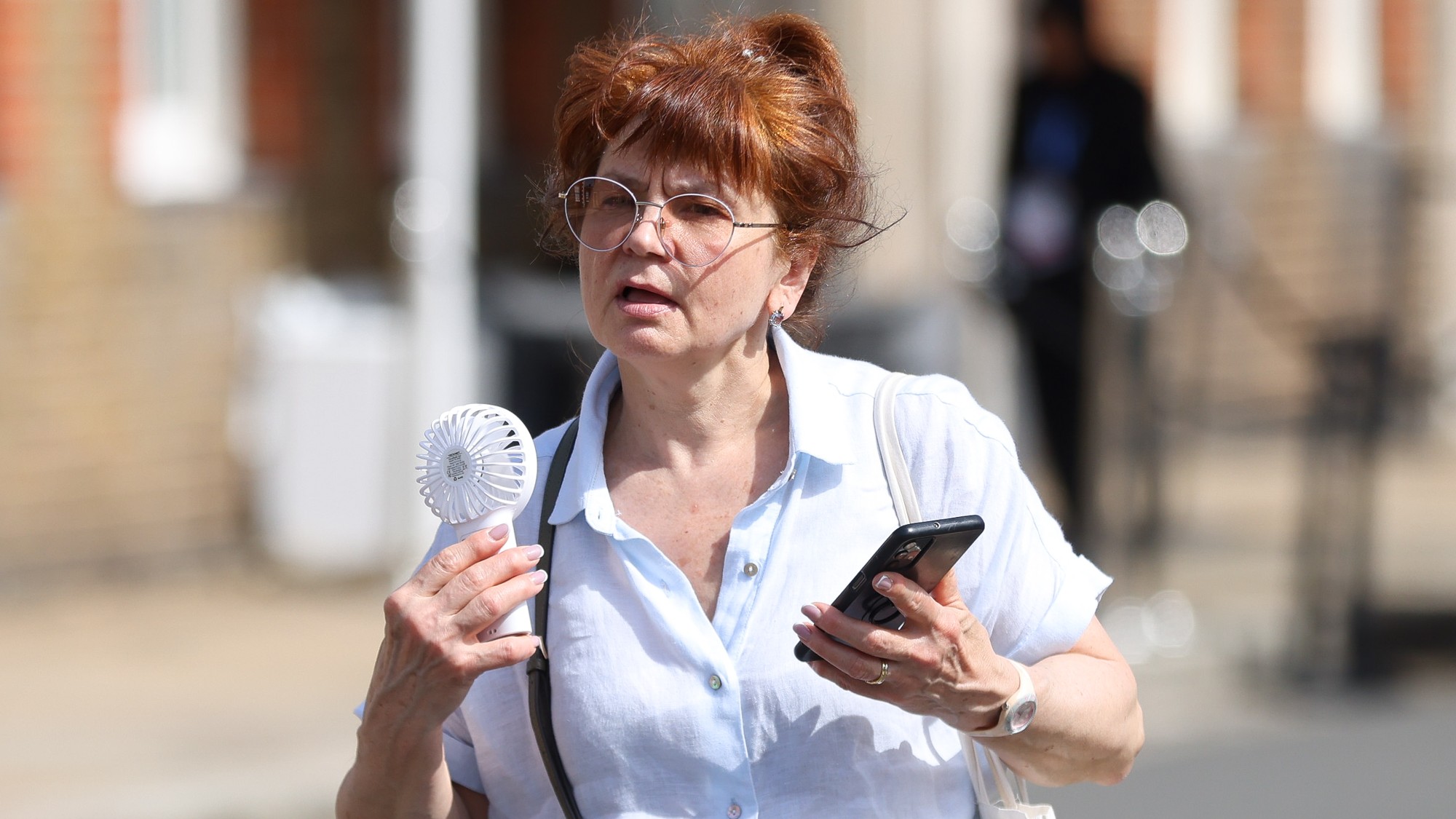
The National Health Service has published new public health guidance addressing the disproportionate impact of extreme heat on women, drawing on a growing body of clinical evidence that suggests physiological, social and occupational factors combine to make women more vulnerable during heatwave events. The guidance, developed in collaboration with the UK Health Security Agency and the Royal College of Obstetricians and Gynaecologists, represents the first time the NHS has issued sex-specific heat advice at a national level.
Advertisement
The physiological dimension is well documented. Women, on average, have a higher body fat percentage and a lower sweat rate than men, which can impair the body’s ability to dissipate heat through evaporation. Hormonal fluctuations, particularly during the menstrual cycle, pregnancy and menopause, can further affect thermoregulation. Post-menopausal women, who constitute a significant proportion of the over-65 demographic most at risk during heat events, often experience hot flushes that compound the discomfort and physiological stress of external heat.
Pregnant women face particular risks. Elevated core body temperature during pregnancy has been associated with an increased risk of preterm birth, low birth weight and, in extreme cases, stillbirth. The new guidance advises pregnant women to avoid prolonged exposure to temperatures above 30 degrees, to maintain high fluid intake, and to contact their midwife or GP if they experience symptoms of heat stress. Maternity units in the affected regions have been asked to proactively contact women in their third trimester to offer advice and, where necessary, arrange additional monitoring.
The social and occupational dimensions are equally significant. Women are overrepresented in sectors that involve outdoor or physically demanding work in conditions where heat exposure is difficult to mitigate: agriculture, hospitality, cleaning, social care. The guidance notes that women in these roles may be less likely to take breaks or to report symptoms of heat illness, whether due to workplace culture, job insecurity or caring responsibilities that limit their ability to rest.
Caring responsibilities themselves represent a significant risk factor. Women continue to bear the majority of childcare and eldercare duties in British households. During a heatwave, the physical demands of caring for young children or elderly relatives in a hot home, often without adequate ventilation or cooling, can push a woman’s own health to the margins. The guidance explicitly addresses this, encouraging carers to prioritise their own hydration and rest, and to seek support from family, neighbours or local authority services when the burden becomes unmanageable.