

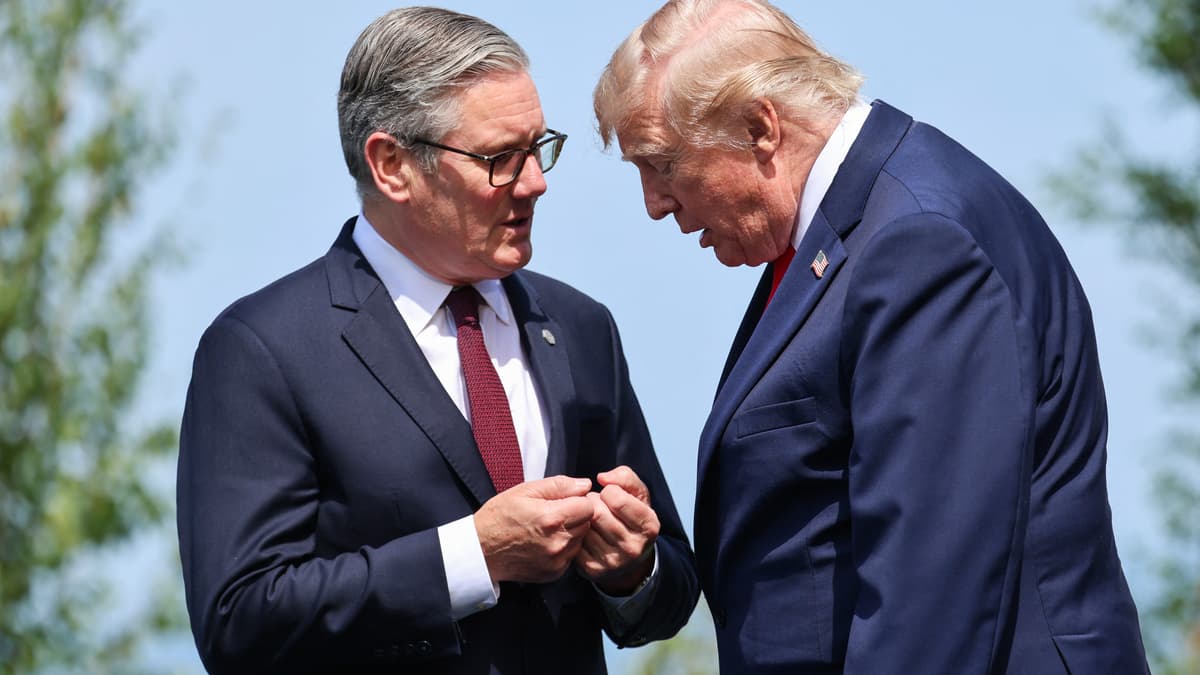
The situation in the Middle East featured prominently, with both leaders expressing concern about regional stability and emphasising the importance of diplomatic channels. Burnham confirmed that the UK would continue to play an active role in multilateral efforts to de-escalate tensions, and that he had raised the specific issue of maritime security in the Gulf, a matter of direct importance to British shipping interests.
Advertisement
The reaction in Westminster was broadly positive. Senior figures on the government benches welcomed the Prime Minister’s “adult” approach to the relationship, contrasting it favourably with what they characterised as the “performative diplomacy” of previous administrations. The Opposition leader, while declining to comment on the substance of a private conversation, noted that “any prime minister who can maintain a constructive dialogue with the American president while retaining the freedom to disagree is doing the country a service.”
Foreign policy analysts offered a more nuanced reading. Several noted that Burnham’s emphasis on honesty and mutual respect echoed the language of the post-war Atlanticist tradition, and suggested that his background as a domestic politician with limited prior foreign policy experience might actually be an asset, freeing him from the baggage of past diplomatic entanglements. Others cautioned that the true test would come not in the pleasantries of a first phone call but in the hard negotiations over trade concessions, defence burden-sharing and intelligence cooperation that would define the relationship over the coming years.
The transatlantic media coverage was, predictably, more colourful. American outlets focused on Burnham’s northern English accent and his self-described identity as a “proper Labour lad,” drawing comparisons to previous British leaders who had charmed or confounded Washington in equal measure. British commentators, for their part, noted with quiet satisfaction that the call had passed without incident, gaffe or diplomatic controversy — a low bar, perhaps, but one that had not always been cleared in recent memory.
For Burnham, the call was a small but necessary step in the establishment of his premiership on the world stage. The G7 summit in Canada will provide a more visible platform, and the bilateral meetings scheduled on its margins will test his ability to navigate the complex web of alliances, rivalries and transactional relationships that define contemporary geopolitics. But the first impression has been set: a prime minister who is neither obsequious nor confrontational, who values the alliance but does not fetishise it, and who intends to conduct British foreign policy with the same plainspoken directness that defined his years in Manchester.
Whether that approach will endure the inevitable pressures of a four-year parliamentary term, a volatile global environment and the relentless scrutiny of the British press remains to be seen. But for one Tuesday evening in July, the special relationship felt, if not exactly special, then at least comfortably, reassuringly normal.