

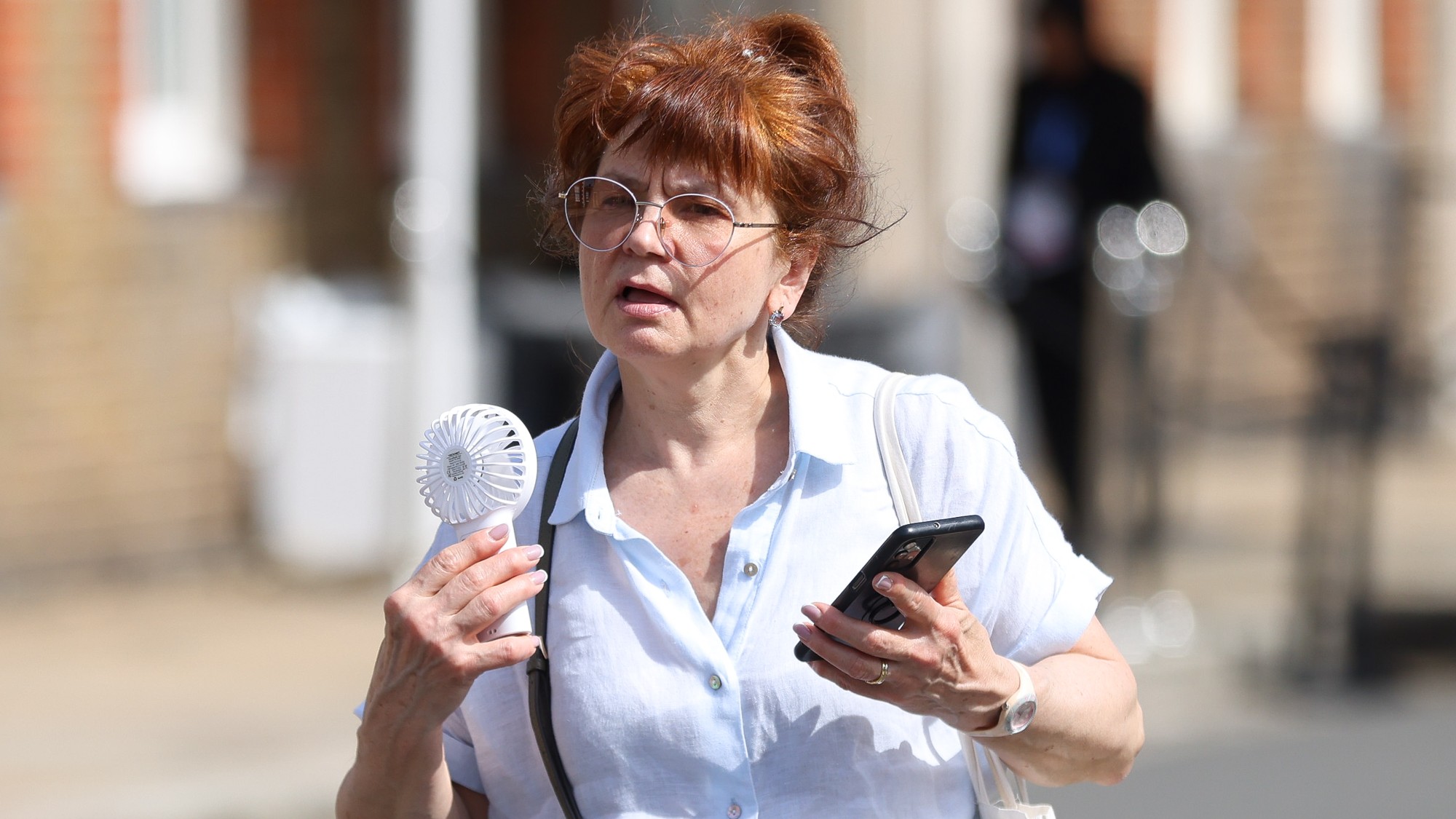
The NHS guidance has been welcomed by women’s health organisations. The director of the Women’s Health Strategy, a cross-party advocacy group, described the publication as “long overdue” and noted that previous heatwave communications had been “gender-blind in a way that effectively meant they were designed around the male physiological norm.” “Women are not small men,” the director said. “Their bodies respond differently to heat, their lives are structured differently, and their risks are different. Public health messaging needs to reflect that.”
Advertisement
The guidance has also prompted a broader conversation about workplace protections. The Trades Union Congress has called for the government to introduce a maximum working temperature, above which employers would be legally required to implement cooling measures or suspend outdoor work. While the government has not committed to a specific threshold, the Health and Safety Executive has indicated that it is reviewing its guidance on thermal comfort in the workplace, with a particular focus on sectors with high proportions of female workers.
In the immediate term, the NHS is disseminating the guidance through GP surgeries, pharmacies, maternity services, community health centres and social media channels. The messaging is practical and non-alarmist: drink water regularly, avoid caffeine and alcohol during peak heat, wear breathable clothing, plan outdoor activities for early morning or evening, and do not hesitate to seek medical advice if symptoms of heat exhaustion or heatstroke develop.
The response from the public has been largely positive, though not without the customary British scepticism toward official health advice. Social media has produced its share of wry commentary, with one widely shared post noting that “the NHS telling women to drink more water is like the Met Office telling us it might rain: technically correct, somewhat belated, and unlikely to change anyone’s behaviour.” Others have welcomed the specificity, noting that previous heatwave campaigns had felt generic and failed to address the particular anxieties of pregnant women, new mothers and older women living alone.
The heat will pass, as it always does. The Atlantic will reassert itself, the clouds will gather, and the national conversation will pivot to whether the summer has been “ruined” or “saved.” But the guidance, and the evidence base behind it, will endure. And the next time the mercury rises, the women of Britain will, at least, be better informed about the specific risks they face and the specific steps they can take to mitigate them. In the unglamorous, incremental work of public health, that counts as progress.