

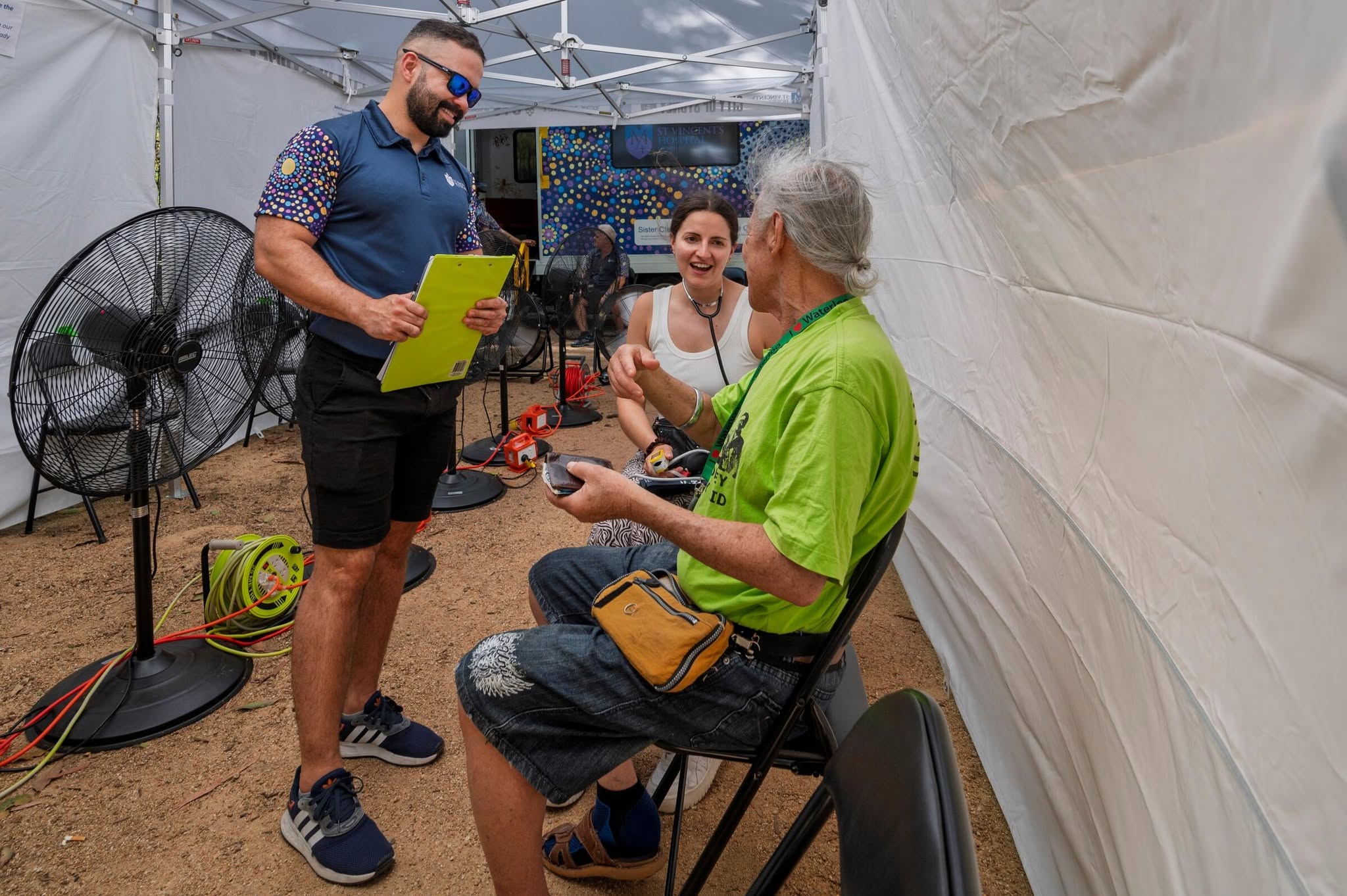
The volunteers themselves are a diverse and largely unheralded cohort. In Peckham, the team includes a retired postal worker, a university student on summer break, a Somali grandmother who has lived on the same estate for thirty years and a young father who took the day off work because, as he put it, “someone has to look after the old folks.” In Hackney, the retired nurse, Margaret, has been volunteering at cooling centres every summer since 2022. “I spent forty years in the NHS,” she says. “I’m not going to stop now just because I’ve got my pension. These people need someone to check on them, and if that’s me, then that’s me.”
Advertisement
The borough councils have played a coordinating role, providing funding for equipment, publicising the centres through their communications channels and ensuring that social care teams are aware of the available resources. Several councils have integrated the cooling centres into their broader heatwave response plans, linking them with NHS outreach services, housing teams and the voluntary sector. The Mayor of London’s office has provided a central directory of locations, accessible online and through a dedicated phone line.
The centres are not without their limitations. Capacity is finite, and in the most densely populated boroughs, demand can outstrip supply. Some centres lack adequate air conditioning, relying instead on fans, open windows and the thermal mass of older buildings. Transport can be a barrier for those with limited mobility, and several councils have arranged volunteer driver schemes to collect housebound residents and bring them to the nearest centre.
There is also the question of sustainability. The current network is heavily dependent on volunteer labour and short-term funding. As heat events become more frequent and prolonged, the model will need to evolve, potentially toward a more formalised, professionally staffed infrastructure integrated into the public health and social care systems. Several academics have argued that cooling centres should be treated as essential public infrastructure, akin to hospitals or fire stations, rather than as a charitable add-on.
For now, though, the system works, and it works because of the people who show up. In Croydon, the 82-year-old woman, Doris, finishes her video call and settles into a chair with a cup of squash and a biscuit. “I don’t like being a bother,” she says. “But it’s too hot in my flat, and I can’t sleep, and I don’t like being on my own when I feel like this.” She pauses. “It’s nice to have someone to talk to. That’s the thing nobody tells you about getting old. It’s not the heat that gets you. It’s the quiet.”
The volunteers nod. They have heard it before. They will hear it again tomorrow, and the day after, and the summer after that. And they will be here, filling cups, checking pulses, making conversation, keeping watch. It is not glamorous work. It will not make the national news. But in a city of nine million people, in a heat that shows no sign of breaking, it is the work that holds the fabric together. And that, in the end, is what a community is for.