

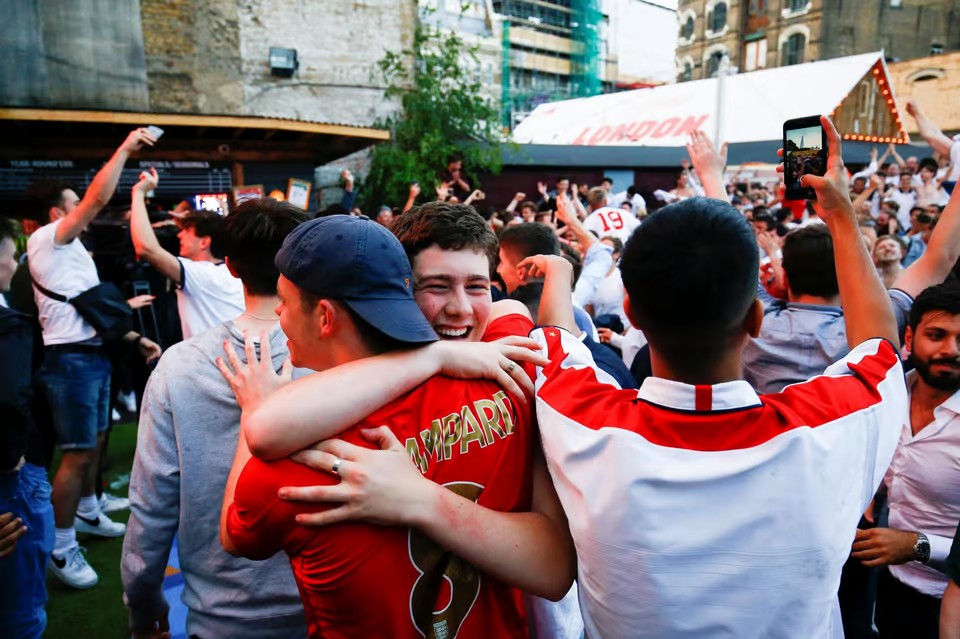
The final whistle confirmed a 1-0 victory, and the relief was as palpable as the joy. England were through to the knockout stages with a game to spare, and the national conversation immediately pivoted to the question that dominates every English World Cup campaign: how far can they go? The answer, as always, was a mixture of cautious optimism and deeply ingrained pessimism. “We’ll probably lose on penalties in the quarter-finals,” one fan observed outside a pub in Leeds, “but God, it’s nice to dream for a few weeks.”
Advertisement
The economic impact of the tournament extends well beyond the pubs. Retailers have reported a surge in sales of England shirts, flags, inflatable trophies and the full panoply of football merchandise. Supermarkets have seen a significant increase in sales of beer, crisps, barbecue food and soft drinks. Electronics retailers have benefited from a last-minute rush for large-screen televisions and soundbars. The Office for National Statistics will, in due course, attempt to quantify the tournament’s contribution to second-quarter GDP, but the informal evidence is overwhelming: the World Cup is good for business.
The political class, as is customary, has sought to associate itself with the national mood. The Prime Minister was photographed watching the match in a pub in his constituency, wearing an England shirt over his trousers in the manner of a man who has been told to look relaxed and has interpreted the instruction literally. The Leader of the Opposition posted a video of himself celebrating the goal, though the timing of his reaction suggested a slight delay that prompted mild social media ridicule.
The social dimension of the tournament is perhaps its most valuable and least quantifiable aspect. In a country often characterised by its reserve, its regional divisions and its tendency toward mutual suspicion, the World Cup provides a rare, temporary suspension of normal social rules. Neighbours who have not spoken in years find themselves sharing a garden fence and a six-pack. Colleagues who communicate exclusively in terse emails discover a shared capacity for emotional expression. The pub becomes a parliament, the garden a stadium, and the nation, for ninety minutes at a time, a single, unified, anxious, hopeful entity.
The tournament will continue for several more weeks. England will play their remaining group match, navigate the knockout rounds, and either fulfil the nation’s deepest hopes or confirm its most familiar fears. The pubs will fill and empty. The flags will be raised and, eventually, folded away. The inflatable trophies will deflate and be consigned to the back of a cupboard. But for now, in the warm July evening, with the taste of lager on the tongue and the sound of “Football’s Coming Home” drifting from a passing car, the dream is alive. And that, as any English football fan will tell you, is the whole point.