

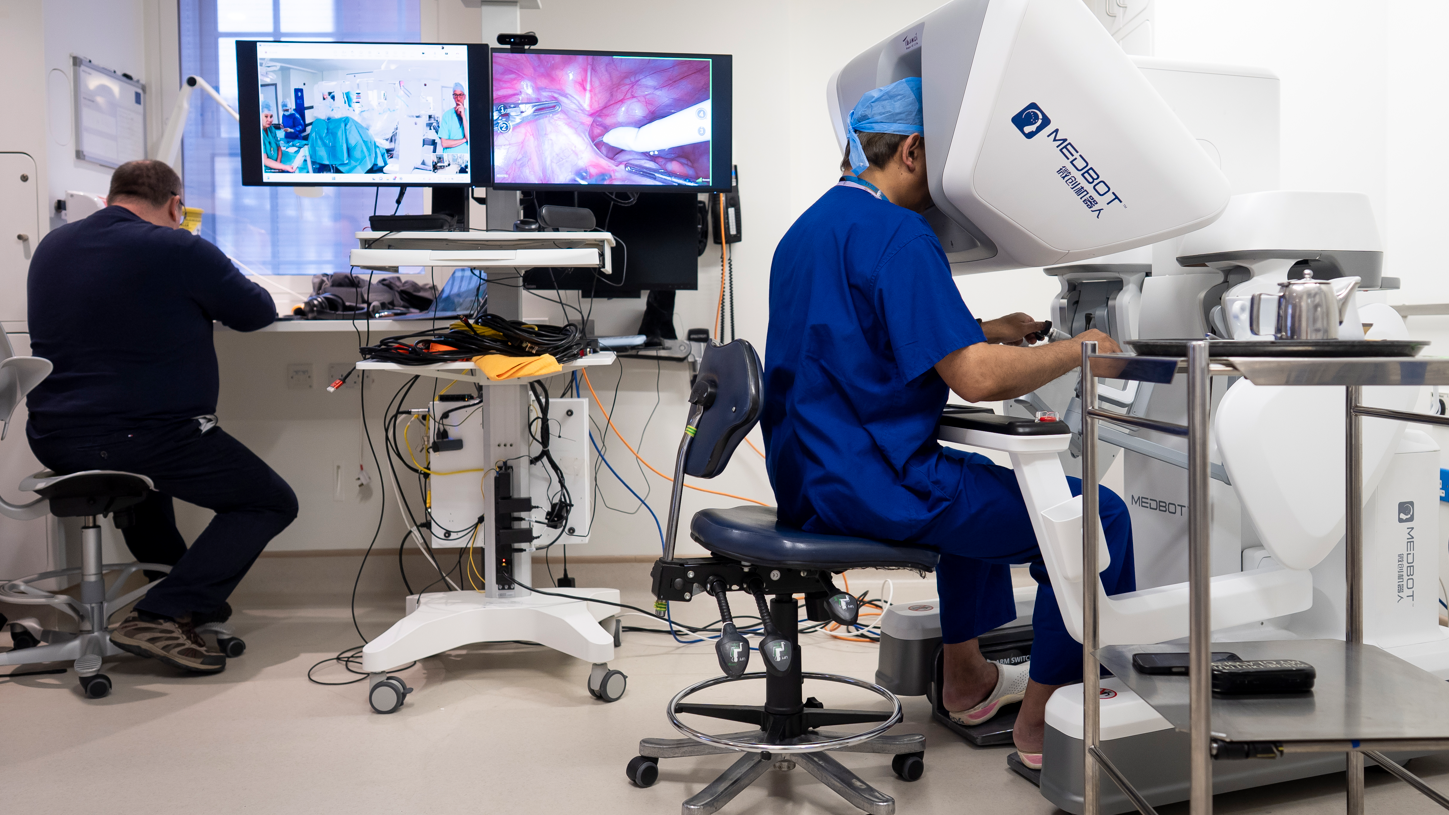
The implications for the NHS are profound. The United Kingdom, like many developed health systems, faces a persistent maldistribution of surgical expertise. Specialist surgeons are concentrated in major urban teaching hospitals, while patients in rural and remote areas often face long travel times for procedures that require advanced skills. Long-distance robotic surgery offers the possibility of delivering expert surgical care to any hospital with a suitable operating theatre and a network connection, without requiring the patient or the surgeon to travel.
Advertisement
The Secretary of State for Health, who was briefed on the operation and visited the hospital the following week, described the procedure as “a genuine NHS milestone” and confirmed that the government intended to fund a pilot programme to extend long-distance robotic surgery to a further ten hospitals over the next three years. “This is not science fiction,” the Secretary of State said. “This is a British surgeon, using British technology, on a British patient, in the National Health Service. It is exactly the kind of innovation that should define our health service in the twenty-first century.”
The medical technology sector has responded with enthusiasm. The company that developed the robotic platform reported a significant increase in enquiries from international health systems following the publicity surrounding the operation. The firm’s chief executive noted that the UK’s regulatory environment, overseen by the Medicines and Healthcare products Regulatory Agency, had been “rigorous but constructive,” enabling the technology to reach clinical use without compromising safety standards.
The nursing and allied health professions have also welcomed the development, though with the customary emphasis on the human dimension of care. The Royal College of Nursing noted that while robotic surgery could extend the reach of specialist expertise, it could not replace the bedside care, the reassurance and the clinical judgement of the nurses and doctors present with the patient. “Technology is a tool,” the RCN’s chief executive said. “It does not hold your hand. It does not explain what is happening. It does not stay with you through the night. The human element of the NHS is irreplaceable, and it must be protected alongside the technological.”
The patient, recovering at home, has returned to her daily routine. She has been interviewed by several newspapers and appeared briefly on a regional television news programme, but she is, by her own account, more interested in getting back to her garden than in becoming a symbol of medical progress. “I’m glad it worked,” she said. “I’m glad the technology exists. But mostly I’m glad I don’t have gallstones anymore.”
It is, perhaps, the most NHS response imaginable. And in its quiet, understated practicality, it captures something essential about the institution that performed the operation: a service that, at its best, exists not to make headlines but to make people better. The robots are new. The mission is not.