

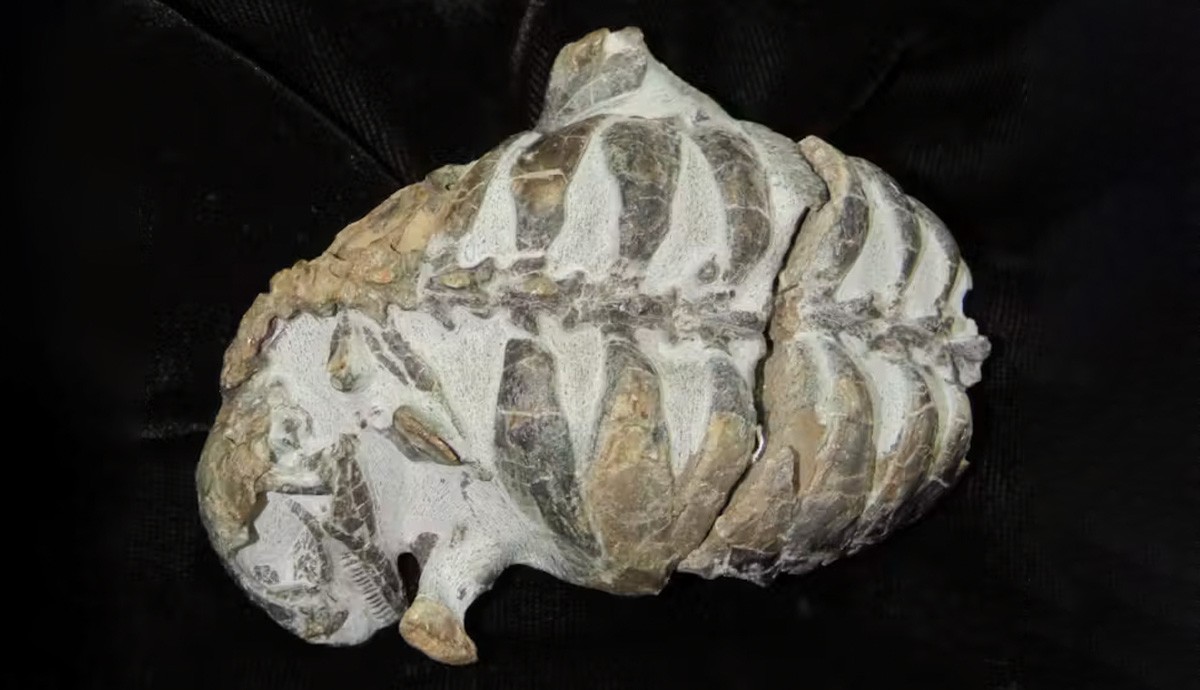
The lead author of the study, a senior researcher at the Natural History Museum, described the discovery as “a reminder of how much we still don’t know, even about animals we think we understand.” “Turtles are everywhere,” the researcher said. “They are in our gardens, our ponds, our oceans. We see them and we think we know them. But their evolutionary history is a 260-million-year story, and we have only just found a new chapter that was sitting in a drawer in South Kensington for a hundred years.”
Advertisement
The study has been welcomed by the international palaeontological community. A professor of evolutionary biology at the University of Cambridge described the paper as “meticulous, persuasive and genuinely exciting,” noting that it resolved several longstanding contradictions between the molecular and fossil evidence. A colleague at the Smithsonian Institution in Washington echoed the sentiment, adding that the discovery underscored the enduring value of museum collections as research resources. “We tend to think of museums as repositories,” the Smithsonian researcher said. “But they are laboratories. Every specimen is a potential discovery waiting for the right question and the right technology.”
The Natural History Museum has used the publication to highlight the importance of its collections and the ongoing work of curatorial and research staff. The museum holds more than 80 million specimens, spanning four and a half billion years of Earth history, and its researchers publish hundreds of papers each year. The turtle fossil is a particularly vivid example of the value of long-term curation: a specimen collected a century ago, described with the limited tools of the era, and then re-examined with twenty-first-century technology to yield a fundamentally new insight.
The public engagement dimension has not been overlooked. The museum has placed the fossil on temporary display in its Hintze Hall, alongside a digital reconstruction of the animal as it might have appeared in life and an interactive exhibit explaining the evolutionary story of the turtle shell. The display has proved popular with visitors, and the museum’s education team has developed a series of workshops for school groups that use the fossil as a starting point for discussions about evolution, deep time and the scientific method.
The political context is, for once, minimal. The research was funded through the museum’s core grant from the Department for Science, Innovation and Technology, supplemented by a small award from a charitable trust. No ministerial photo opportunity was required. No press conference was held at Downing Street. The work was done by scientists, in a museum, using public funds, and the results were published in a journal for other scientists to read, critique and build upon. It is, in its quiet way, a model of how publicly funded science is supposed to work.
The turtle, for its part, is indifferent to the fuss. Its descendants continue to bask on logs, to bury themselves in mud, to navigate oceans and to outlive most of the creatures that share their habitats. They have survived five mass extinctions. They will, in all probability, survive whatever the next century brings. And now, thanks to a forgotten fossil and a curious doctoral student, we understand their story a little better than we did before. In the long, patient work of science, that is no small thing.