

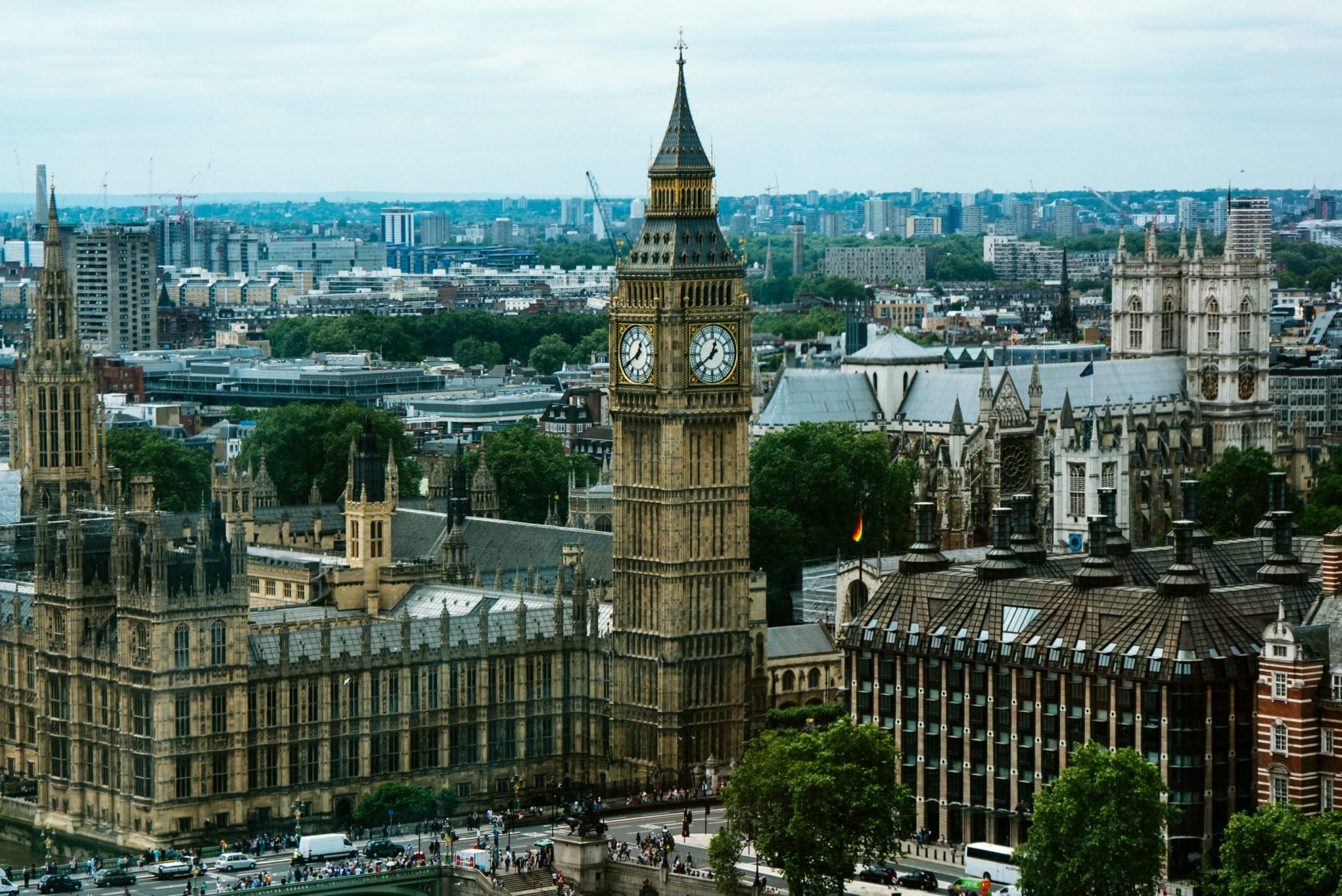
For the public, the announcement is unlikely to register as news in any immediate sense. The next election is, by any measure, a distant event, separated from the present by three years of governance, legislation, economic fluctuation and the thousand unpredictable contingencies of political life. Yet the mere existence of a fixed endpoint imposes a discipline on the political process. Every policy decision, every spending commitment, every diplomatic initiative is, consciously or otherwise, calibrated against the question of how it will play at the ballot box.
Advertisement
Constitutional scholars have noted that the 2022 Act, by restoring prime ministerial discretion over election timing, has reintroduced an element of strategic uncertainty that was absent under the Fixed-term Parliaments Act of 2011. The earlier legislation, which mandated elections at five-year intervals, was widely regarded as having created a rigid and ultimately unworkable framework. Its repeal, while restoring flexibility, has also restored the potential for tactical manipulation, with a Prime Minister able to time an election to coincide with favourable economic conditions or opposition disarray.
The Electoral Commission, in its statement, was careful to emphasise its own neutrality and its role in ensuring that whenever the election is called, it will be conducted fairly, efficiently and in accordance with the law. The Commission’s chair noted that the organisation had already begun preparatory work for the next contest, including the recruitment and training of returning officers, the updating of electoral registers and the testing of counting systems.
For Andy Burnham, the confirmation of the 2029 deadline is both a constraint and a liberation. It provides a horizon against which to plan a legislative programme, knowing that he has, at minimum, three years to deliver on his promises. It also removes the immediate pressure of an early election, allowing the government to focus on governance rather than campaigning. The cranes he promised on the skylines of Britain’s towns will need time to appear. The devolution settlements will need time to embed. The economic recovery will need time to consolidate.
Three years, in the life of a Parliament, is both a long time and a short one. Long enough to build, to reform, to change the trajectory of a nation. Short enough to demand urgency, focus and an awareness that the clock, however distant its chime, is already ticking. The next general election will come. The question is not when, precisely, but what Britain will look like when it does.