

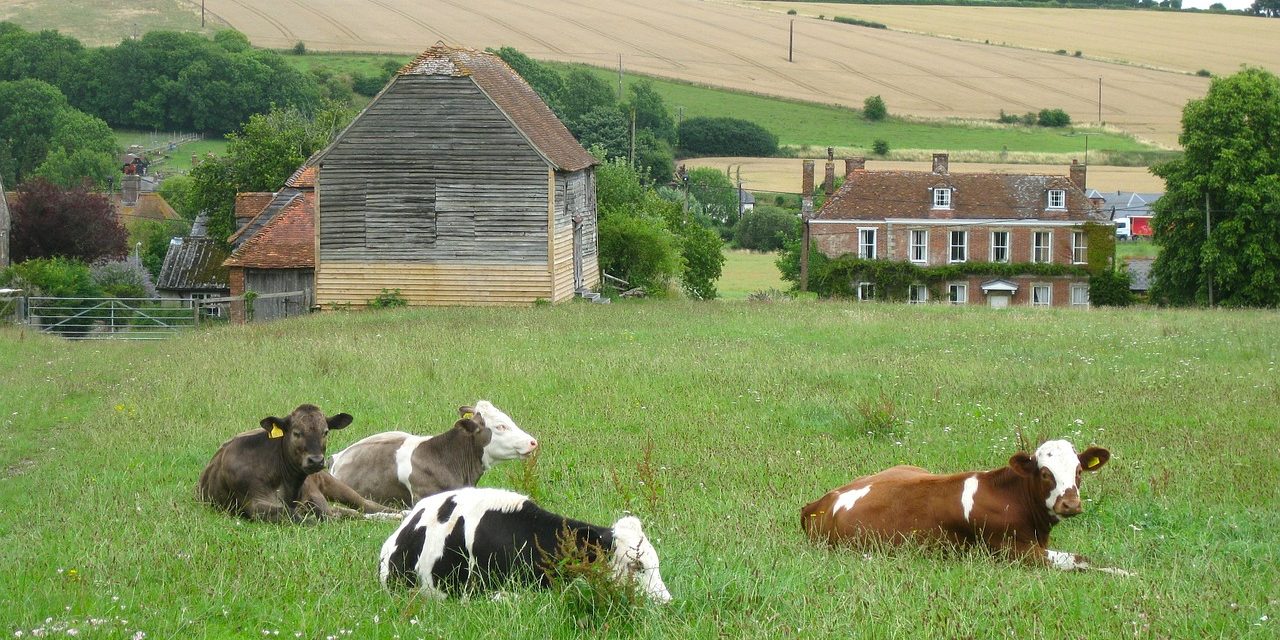
The eco-tourism dimension, while harder to quantify, is not negligible. The report notes that wildlife tourism already contributes an estimated £2 billion annually to the UK economy, and that a high-profile, publicly accessible genomic database could enhance the educational and interpretive offerings of national parks, nature reserves and wildlife trusts. The “genomic trail” concept, in which visitors use smartphone applications to access the genetic stories of the species they encounter, is cited as a potential draw for a new generation of nature enthusiasts.
Advertisement
The funding model proposed by the consortium combines public investment, charitable contributions and private sector partnerships. The government’s Life Sciences Sector Plan has already allocated £200 million toward genomic infrastructure, and the report argues that an additional £300 million over five years would be sufficient to complete the sequencing programme. The return on investment, the authors contend, would be substantial: every pound spent on sequencing would generate an estimated £6 in economic benefit over the following two decades.
The response from the farming community has been cautiously positive. The National Farmers’ Union welcomed the report’s emphasis on agricultural applications but stressed that any genomic programme must be accompanied by robust data governance frameworks to protect farmers’ intellectual property and prevent the commercial exploitation of genetic resources without fair compensation. “We are not opposed to science,” the NFU president said. “We are opposed to being treated as a free resource for other people’s profit.”
Environmental groups have been more unequivocal in their enthusiasm. The Royal Society for the Protection of Birds described the proposal as “a once-in-a-generation opportunity to understand and protect the natural heritage of these islands.” The Wildlife Trusts noted that the genomic data would be invaluable for conservation planning, enabling more targeted interventions to protect endangered species and restore degraded habitats.
The political dimension is not insignificant. The report’s emphasis on rural economic benefits aligns neatly with the government’s levelling-up agenda and its commitment to supporting communities outside the major urban centres. Several MPs representing rural constituencies have already expressed interest in the proposal, and the Minister for Rural Affairs has indicated that the government would “study the findings carefully.”
For the scientists behind the report, the economic arguments are important but secondary to the fundamental value of knowledge. “We are proposing to read the book of life for these islands,” the project’s lead scientist said. “Every species is a chapter. Every genome is a sentence written in a language four billion years old. To leave that book unread is a choice, and it is a choice that future generations will not thank us for.”
The £3 billion figure will be scrutinised, debated and, in some quarters, dismissed as optimistic. But the underlying proposition — that understanding the genetic fabric of the natural world can yield tangible benefits for human communities — is difficult to dispute. In a country that has spent centuries cataloguing, classifying and, in many cases, diminishing its wildlife, the opportunity to read its deepest secrets is both a scientific imperative and, perhaps, a form of restitution.