

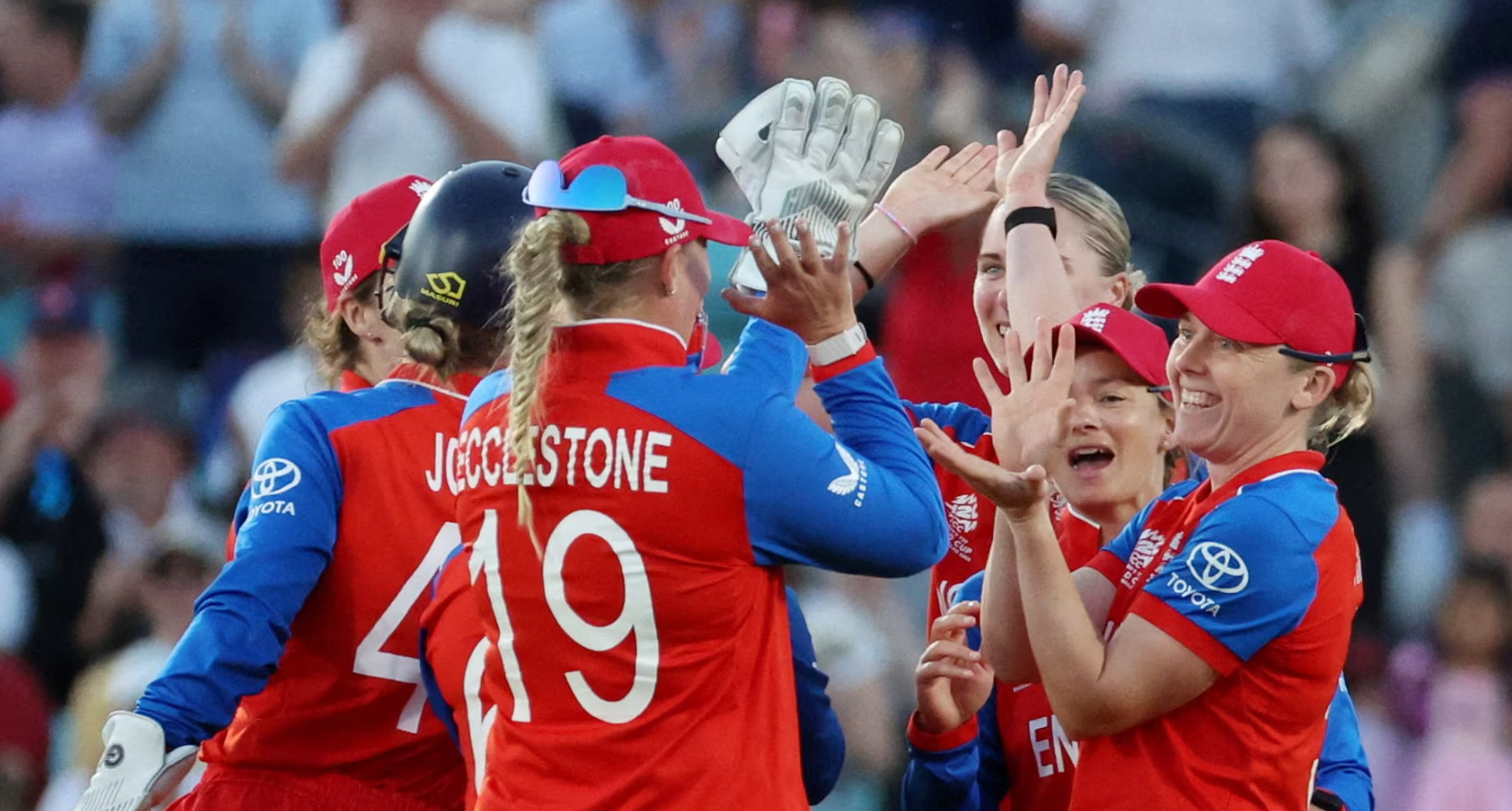
The political dimension is present, if secondary. The Minister for Sport attended the squad announcement and used the occasion to highlight the government’s investment in women’s sport, including a new funding stream for female coaching and leadership development. “The success of our women athletes is not an accident,” the Minister said. “It is the result of investment, of commitment, of a refusal to accept that women’s sport is a lesser product. This World Cup final at Lord’s is proof that the tide has turned.”
Advertisement
The broader context of women’s cricket in England is one of sustained growth. Participation rates have risen steadily since the 2017 World Cup, which was hosted in England and won by the home side in a final at Lord’s that attracted a television audience of more than 4 million. The domestic professional structure, established in 2020, has provided a pathway for talented players to pursue cricket as a full-time career, and the standard of play has risen accordingly. The current England squad includes several players who were inspired to take up the sport by watching the 2017 triumph, a generational echo that speaks to the power of visibility and representation.
The opposition in the final is yet to be determined, with the semi-finals scheduled for the preceding week. But regardless of the opponent, the occasion will be a celebration of the women’s game and a demonstration of its capacity to fill the most hallowed grounds in cricket. The image of a women’s cricket match at Lord’s, with the sun on the grass, the crowd in full voice and the players at the peak of their powers, is one that would have been unimaginable a generation ago. That it is now not merely possible but expected is a measure of how far the sport has come.
For the players in the squad, the weeks ahead will be a period of intense preparation, media engagement and, inevitably, nervous anticipation. The captain acknowledged the pressure of a home World Cup final but framed it as a privilege rather than a burden. “We get to play at Lord’s, in front of our families, in front of our fans, with the whole country watching,” she said. “Some people would call that pressure. I call it a gift.”
The gift will be unwrapped on a late August afternoon, with the light beginning to soften and the shadows lengthening across the Lord’s outfield. And whether the result is triumph or heartbreak, the occasion itself will stand as a marker of progress, a reminder that the boundaries of what is possible in women’s sport are still being redrawn, one match, one final, one roaring crowd at a time.